


A fertilizer pellet making machine is a core piece of equipment for converting powdered or loose fertilizer materials into uniform, easy-to-handle pellets. As global agriculture moves toward higher efficiency, controlled nutrient release, and sustainable practices, pelletized fertilizers are becoming the preferred choice for farmers, fertilizer manufacturers, and agribusinesses worldwide.
Whether you produce organic fertilizer, compound fertilizer, or bio-fertilizer, a reliable fertilizer pellet making machine can significantly improve product quality, reduce waste, and enhance market competitiveness.
What Is a Fertilizer Pellet Making Machine?
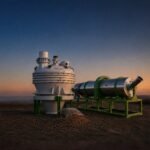
A fertilizer pellet making machine is designed to compress, shape, and densify fertilizer raw materials into pellets of consistent size and density. These pellets offer better storage stability, reduced dust, improved application efficiency, and more uniform nutrient distribution in soil.
Depending on raw materials and production requirements, fertilizer pellet making machines are commonly used in:
- Organic fertilizer production lines
- Compound fertilizer production lines
- Bio-fertilizer and microbial fertilizer plants
- Waste recycling projects (manure, agricultural residues, sludge)
Common Raw Materials for Fertilizer Pellet Production
One of the key advantages of a fertilizer pellet making machine is its wide raw material adaptability. Common materials include:
- Livestock manure (cow, poultry, pig manure)
- Organic waste (compost, kitchen waste, sludge)
- Crop residues (straw, rice husk, corn stalk)
- Mineral fertilizers (NPK, urea, phosphate powder)
- Additives and trace elements
With proper formulation and moisture control, these materials can be efficiently processed into high-quality fertilizer pellets.
Types of Fertilizer Pellet Making Machines
Different fertilizer products require different pelletizing technologies. The most common fertilizer pellet making machines include:
Organic Fertilizer Pellet Machine
Designed for high-fiber and organic materials, this machine ensures strong pellet bonding without damaging nutrients or beneficial microbes.
Compound Fertilizer Pellet Machine
Ideal for NPK and chemical fertilizer granulation, offering precise pellet size control and high production efficiency.
Disc and Drum Granulators
Often used for large-scale fertilizer pellet production, suitable for continuous operation and high output.
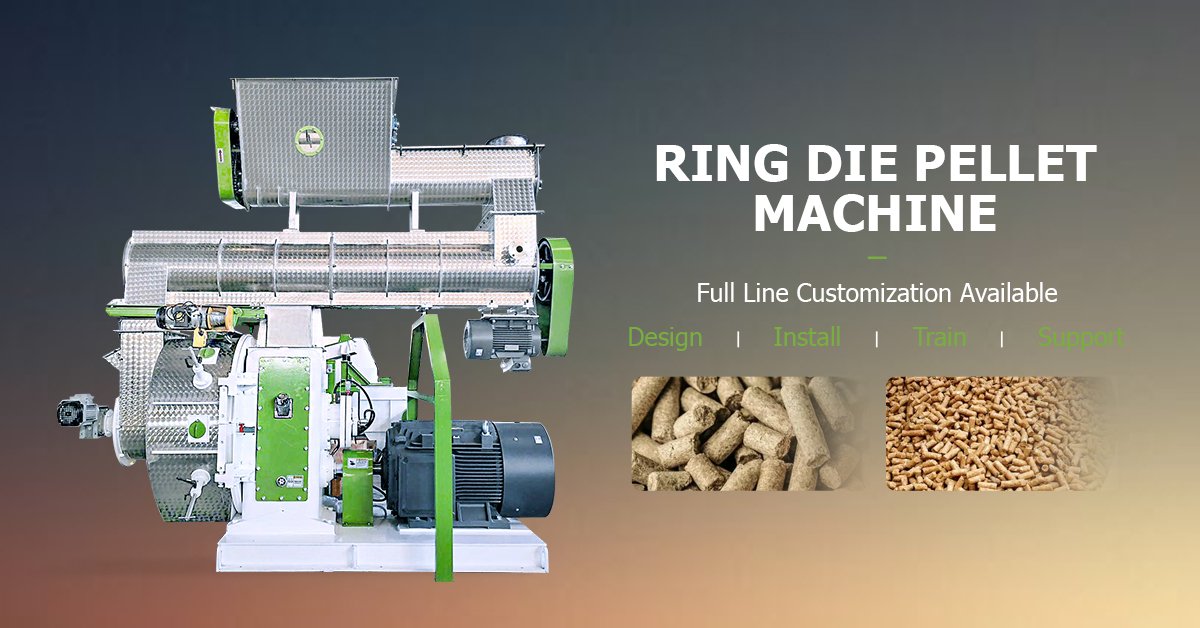
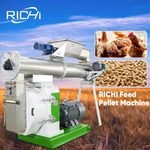
Flat Die and Ring Die Pellet Mills
Widely applied in organic fertilizer pellet production lines, offering compact structure, stable performance, and easy maintenance.
(Useful link: https://pelletisingmachine.com/organic-fertilizer-machine/)
Fertilizer Pellet Making Machine Working Principle
The basic working process of a fertilizer pellet making machine includes:
- Feeding: Prepared raw materials enter the pelletizing chamber.
- Compression: Rollers press materials through die holes under high pressure.
- Pellet Formation: Materials are shaped into dense, uniform pellets.
- Cutting: Adjustable cutters control pellet length.
- Discharge: Finished fertilizer pellets are released for cooling and packaging.
This process ensures consistent pellet quality and efficient material utilization.
Benefits of Using a Fertilizer Pellet Making Machine
Investing in a professional fertilizer pellet making machine brings multiple advantages:
- Improved Fertilizer Quality
Uniform pellets improve nutrient distribution and soil absorption. - Reduced Dust and Loss
Pelletized fertilizer minimizes dust pollution and material waste. - Higher Production Efficiency
Automated operation reduces labor costs and increases output. - Better Storage and Transportation
Pellets are less prone to caking and easier to handle. - Stronger Market Competitiveness
Pellet fertilizers are more attractive to distributors and end users.
Key Factors When Choosing a Fertilizer Pellet Making Machine
To select the right fertilizer pellet making machine, consider the following factors:
Production Capacity
Choose a machine that matches your required output, from small-scale plants to industrial fertilizer production lines.
Raw Material Characteristics
Moisture content, fiber level, and particle size directly affect pelletizing performance.
Pellet Size Requirements
Different crops and application methods require different pellet diameters.
Energy Efficiency
High-efficiency motors and optimized transmission systems help reduce operating costs.
After-Sales Support
Reliable technical support and spare parts availability are essential for long-term operation.
Fertilizer Pellet Making Machine in Complete Production Lines
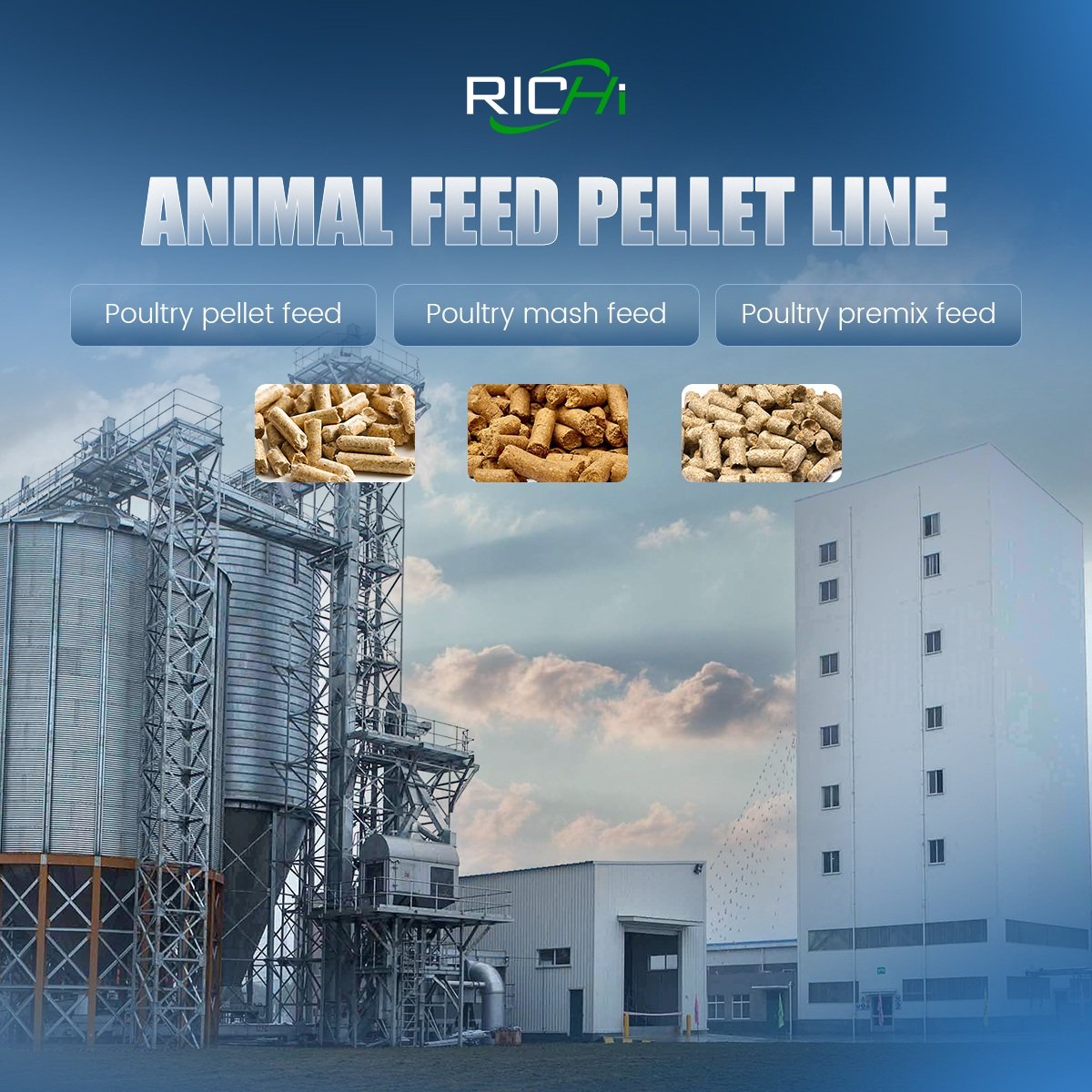
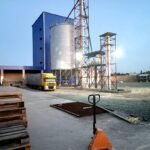
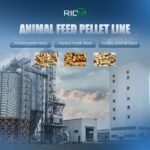
A fertilizer pellet making machine is usually part of a complete fertilizer production line, which may include:
- Raw material crushing system
- Mixing and batching system
- Pelletizing system
- Drying and cooling system
- Screening and packaging system
An integrated organic fertilizer production line ensures stable quality, continuous operation, and higher overall efficiency.
Applications and Market Demand
The demand for fertilizer pellet making machines continues to grow due to:
- Expansion of organic farming
- Increasing livestock waste recycling projects
- Rising demand for eco-friendly fertilizers
- Government support for sustainable agriculture
From small farms to large fertilizer factories, pelletized fertilizer production offers both economic and environmental benefits.
Conclusion
A high-performance fertilizer pellet making machine is a key investment for any fertilizer manufacturer aiming to improve efficiency, product quality, and profitability. With wide raw material compatibility, stable operation, and scalable capacity, modern fertilizer pellet making machines play a vital role in sustainable agricultural development.
Choosing the right machine and production solution can help you turn raw materials into high-value fertilizer pellets and gain a strong competitive edge in the global fertilizer market.