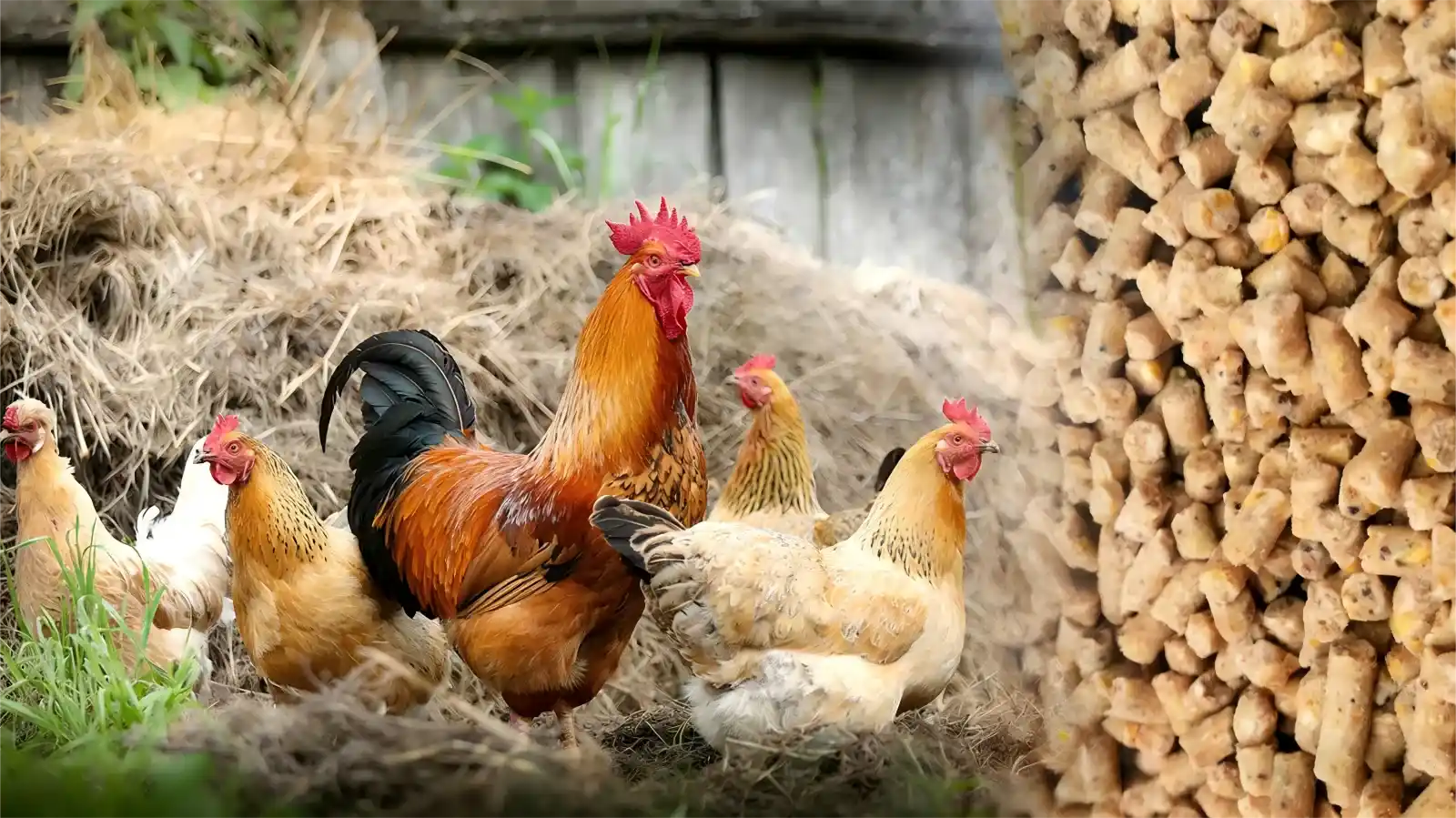



Starting an animal feed pellet business is one of the most promising opportunities in the modern agricultural and livestock industry. As global demand for meat, dairy, eggs, and aquaculture products continues to rise, the need for high-quality, efficient, and affordable animal feed is also increasing rapidly. Feed pellets have become the preferred feeding form for commercial farms because they are nutritious, easy to store, and highly efficient in improving animal growth performance.
However, building a successful feed pellet business requires more than just purchasing machinery. It involves careful planning, market research, equipment selection, production line design, cost control, and long-term operational strategy. This article provides a complete step-by-step guide on how to start an animal feed pellet business successfully and achieve sustainable profitability.
1. Understanding the Animal Feed Pellet Industry
Before starting the business, it is important to understand the structure and demand of the feed industry.
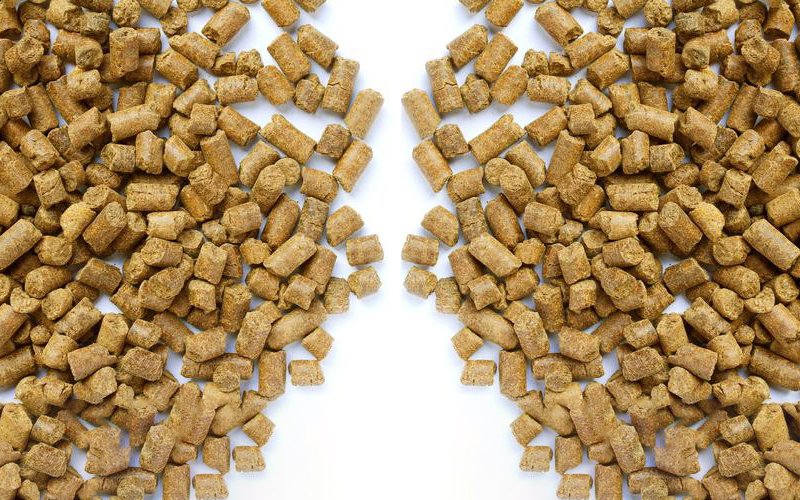
Animal feed pellets are produced by processing raw materials such as corn, soybean meal, wheat bran, rice husk, fish meal, and various additives into compact, uniform pellets. These pellets are designed for different types of animals, including:
- Poultry (chickens, ducks, turkeys)
- Livestock (cattle, sheep, goats, pigs)
- Aquatic animals (fish and shrimp)
- Small animals (rabbits, pets, etc.)
The market is driven by several key factors:
- Increasing global meat consumption
- Industrialization of livestock farming
- Demand for efficient feed conversion
- Need for standardized nutrition
- Expansion of commercial farming operations
Understanding these trends helps investors identify opportunities and choose the right business model.
2. Conducting Market Research Before Investment
Market research is the foundation of a successful feed pellet business. Without understanding your target market, even the best equipment will not guarantee success.
Key questions to analyze include:
- What types of animals dominate local farming (poultry, cattle, fish, etc.)?
- Is demand higher for livestock feed or aquaculture feed?
- Are customers small farms or large commercial operations?
- What is the price range of existing feed products?
- Who are your competitors?
For example, in many developing agricultural regions, poultry farming dominates the feed demand. In such cases, investing in a poultry feed production line becomes a strategic decision because it directly matches the largest market segment.
Market research also helps determine production capacity, raw material sourcing, and pricing strategy.
3. Choosing the Right Business Scale
Animal feed pellet businesses can be categorized into three main scales:
Small-scale production
- Capacity: 0.5–5 tons/hour
- Suitable for local farms or small distributors
- Lower investment cost
- Limited market reach
Medium-scale production
- Capacity: 5–20 tons/hour
- Suitable for regional supply
- Balanced investment and profit
- More stable business model
Large-scale industrial production
- Capacity: 20+ tons/hour
- Suitable for national or export markets
- Requires high investment
- High profit potential
Choosing the right scale depends on your budget, target market, and long-term business goals.
4. Selecting Raw Materials and Supply Chain Strategy
Raw materials account for 60–80% of feed production costs, so supply chain management is critical.
Common raw materials include:
- Corn (energy source)
- Soybean meal (protein source)
- Wheat bran (fiber and binding agent)
- Fish meal (animal protein)
- Rice husk, straw, and grass (roughage)
- Vitamin and mineral premixes
To reduce costs and increase competitiveness:
- Establish direct relationships with grain suppliers
- Use agricultural by-products where possible
- Monitor seasonal price fluctuations
- Maintain stable inventory systems
Efficient raw material management ensures consistent production and profitability.(browse around this site)
5. Designing the Production Line
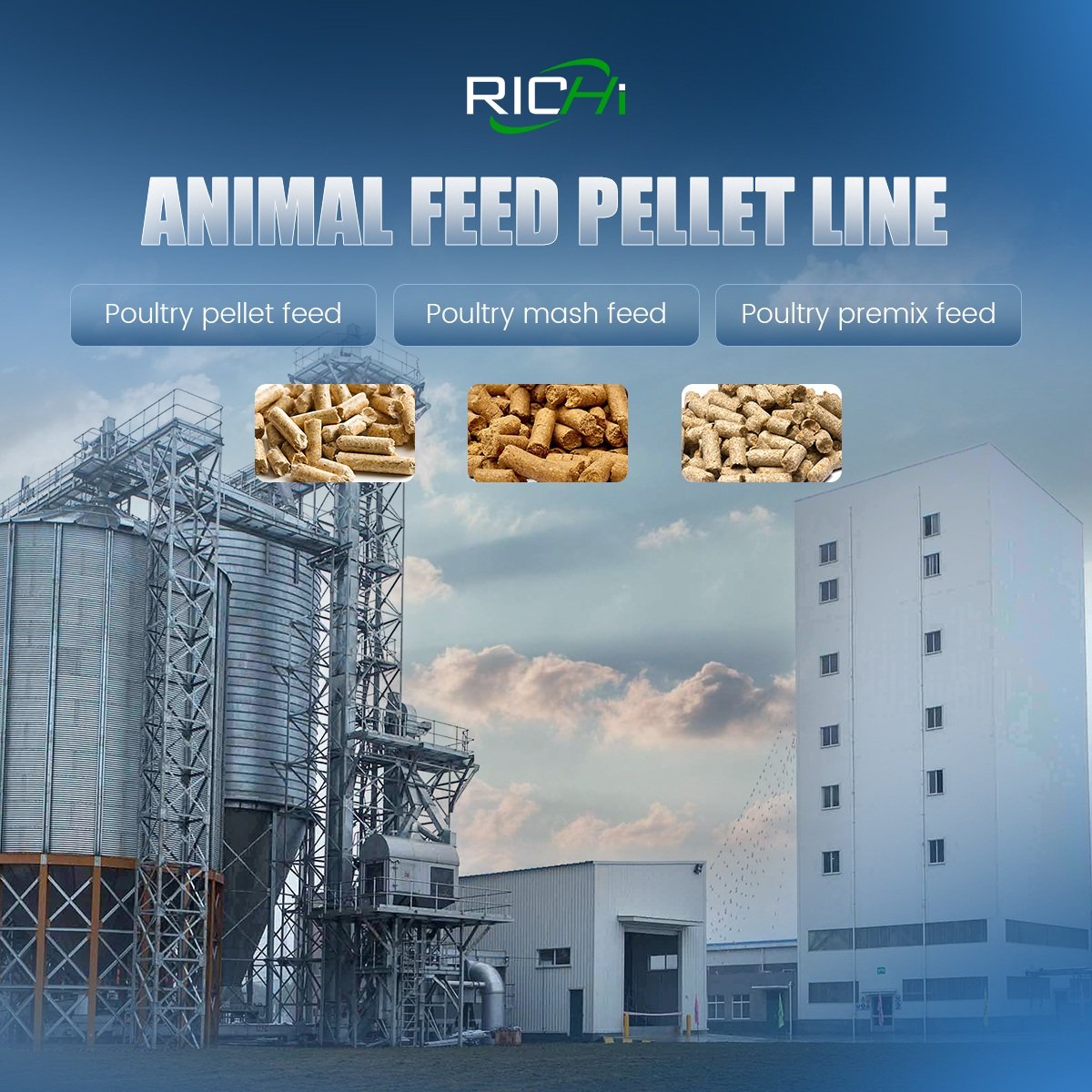
A well-designed production system is the backbone of any feed pellet business. A complete feed pellet production line typically includes:
- Crushing system (hammer mill)
- Mixing system (horizontal or vertical mixer)
- Conditioning system (steam treatment)
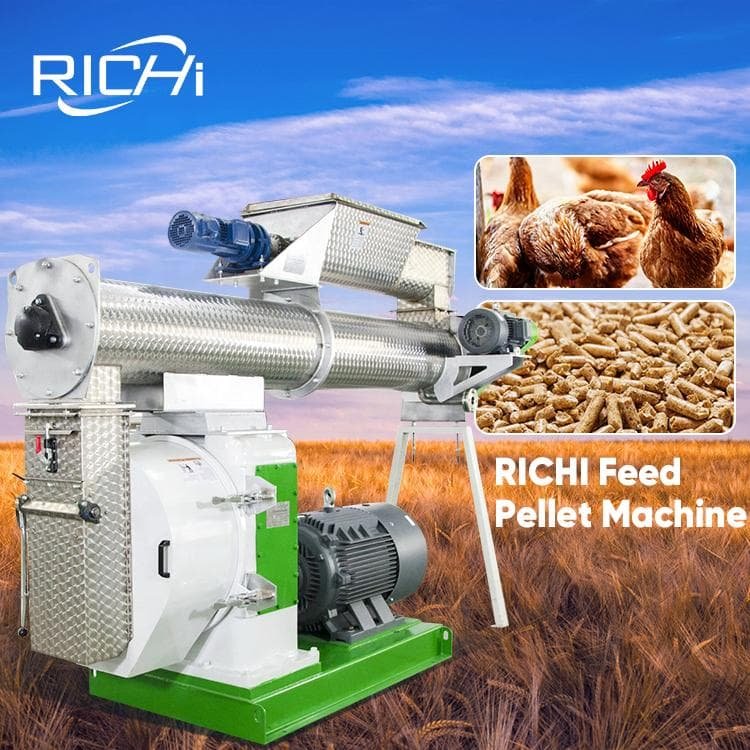
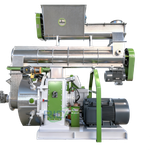
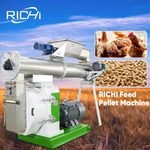
- Pelletizing system (pellet mill)
- Cooling system
- Screening system
- Packaging system
Each stage plays a critical role in ensuring feed quality and production efficiency.
For example, a poultry feed production line is specifically designed to produce fine, highly digestible feed pellets suitable for chickens and other poultry species. It typically requires precise grinding, high mixing uniformity, and controlled pellet size to ensure optimal feed performance.
Proper production line design improves efficiency, reduces labor costs, and ensures consistent product quality.
https://pelletisingmachine.com/poultry-feed-production-line
6. Selecting the Right Equipment
Equipment selection is one of the most important investment decisions in the feed pellet business.
Key machines include:
- Hammer mill for grinding raw materials
- Feed mixer for uniform blending
- Pellet mill for forming pellets
- Cooler for temperature reduction
- Screener for quality control
- Packaging machine for final product handling
When selecting equipment, consider:
- Production capacity
- Energy efficiency
- Durability and wear resistance
- Ease of maintenance
- Automation level
High-quality equipment ensures long-term stable operation and reduces downtime.
7. Understanding the Pellet Manufacturing Process
The feed pellet production process includes several stages:
Step 1: Grinding
Raw materials are crushed into fine particles.
Step 2: Mixing
All ingredients are blended uniformly.
Step 3: Conditioning
Steam is added to improve digestibility and pellet quality.
Step 4: Pelletizing
The mixture is compressed into pellets using a die and rollers.
Step 5: Cooling
Fresh pellets are cooled to reduce moisture and improve hardness.
Step 6: Screening
Broken or irregular pellets are removed.
Step 7: Packaging
Finished pellets are packed for storage or sale.
Each step must be carefully controlled to ensure final product quality.
8. Building a Strong Business Model
A successful feed pellet business requires a clear business model. Common models include:
1. Feed manufacturing for local farmers
Selling directly to small and medium farms.
2. Contract feed production
Producing feed for large farms or cooperatives.
3. Brand-based feed sales
Building your own feed brand in the market.
4. Integrated livestock supply chain
Combining feed production with livestock farming.
Choosing the right model depends on your market positioning and resources.
9. Cost Analysis and Investment Planning
Starting an animal feed pellet business requires careful financial planning.
Main cost components include:
- Equipment investment
- Factory construction
- Raw material procurement
- Labor costs
- Electricity and energy consumption
- Maintenance and repair costs
Profitability depends on feed price margins, production efficiency, and raw material cost control.
A well-managed medium-scale plant can typically achieve stable returns within 2–3 years.
10. Importance of Automation and Technology
Modern feed pellet businesses rely heavily on automation.
Advantages include:
- Reduced labor requirements
- Higher production accuracy
- Improved safety and hygiene
- Real-time monitoring systems
- Lower operational errors
Automation is especially important for large-scale operations such as a poultry feed production line, where consistency and speed are critical for meeting market demand.
11. Quality Control and Standards
Maintaining feed quality is essential for customer trust and long-term business success.
Quality control measures include:
- Raw material testing
- Moisture control
- Pellet durability testing
- Nutritional analysis
- Contamination checks
High-quality feed improves animal growth performance and strengthens market reputation.
12. Marketing and Sales Strategy
Even the best production system requires effective marketing.
Strategies include:
- Building relationships with farms and distributors
- Offering sample feed batches
- Providing technical support to customers
- Participating in agricultural exhibitions
- Developing an online presence
Trust and reliability are key factors in feed industry sales.
13. Common Challenges in the Feed Pellet Business
New investors may face several challenges:
- Fluctuating raw material prices
- High initial investment cost
- Equipment maintenance issues
- Market competition
- Quality consistency management
Proper planning and technical support can help overcome these challenges.
14. Long-Term Growth Opportunities
The animal feed industry continues to grow globally. Future opportunities include:
- Organic and antibiotic-free feed production
- Smart automated feed factories
- Customized nutrition feed products
- Expansion into export markets
- Integration with livestock farming systems
Businesses that adapt to these trends will gain long-term competitive advantages.
Conclusion
Starting an animal feed pellet business is a highly profitable and sustainable opportunity when executed correctly. Success depends on careful planning, efficient production line design, proper equipment selection, and strong market understanding.
Investing in a well-designed system such as a poultry feed pellet production line allows entrepreneurs to target one of the largest and most stable segments of the livestock industry.
With increasing global demand for animal protein and the shift toward industrialized farming, the feed pellet business is expected to continue growing rapidly. Entrepreneurs who focus on quality, efficiency, and innovation will be best positioned for long-term success in this dynamic industry.