


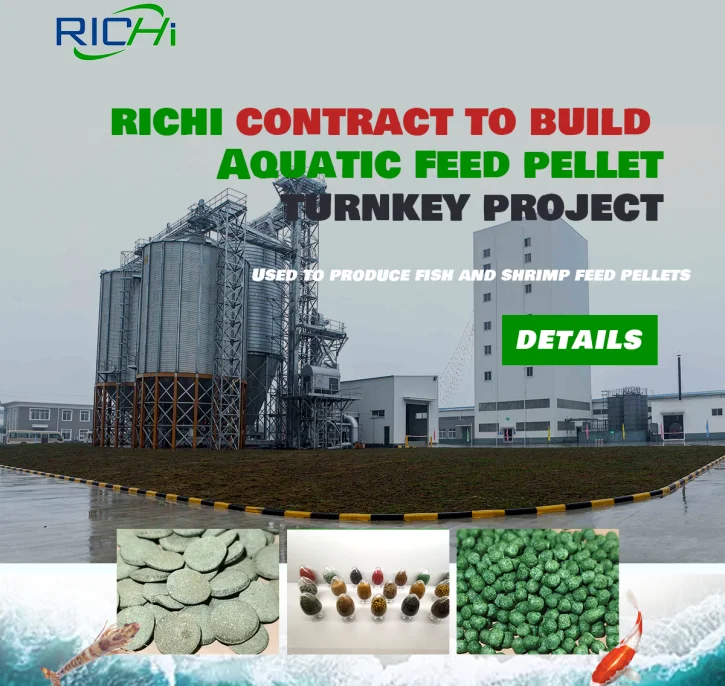
The global aquaculture industry is expanding rapidly, driven by rising seafood consumption, limited wild fish resources, and increasing demand for high-quality protein. As a result, fish feed production has become one of the most attractive investment sectors in agricultural manufacturing.
However, building a successful feed production facility is not simply about purchasing machines or constructing a factory building. It requires careful planning, technical understanding, and long-term strategic thinking.
Investors who enter the market without proper preparation often face operational inefficiencies, unstable production quality, and difficulty achieving profitability. In contrast, well-planned facilities can generate stable returns and scale efficiently over time.
Why Fish Feed Production Is a High-Potential Industry
Fish feed represents the largest cost component in aquaculture farming, often accounting for 50–70% of total production expenses. This creates a strong and stable demand for reliable feed manufacturers.
Unlike many agricultural industries, fish farming is directly dependent on feed performance. High-quality feed improves:
- Growth rate
- Feed conversion ratio
- Survival rate
- Water stability
- Farming efficiency
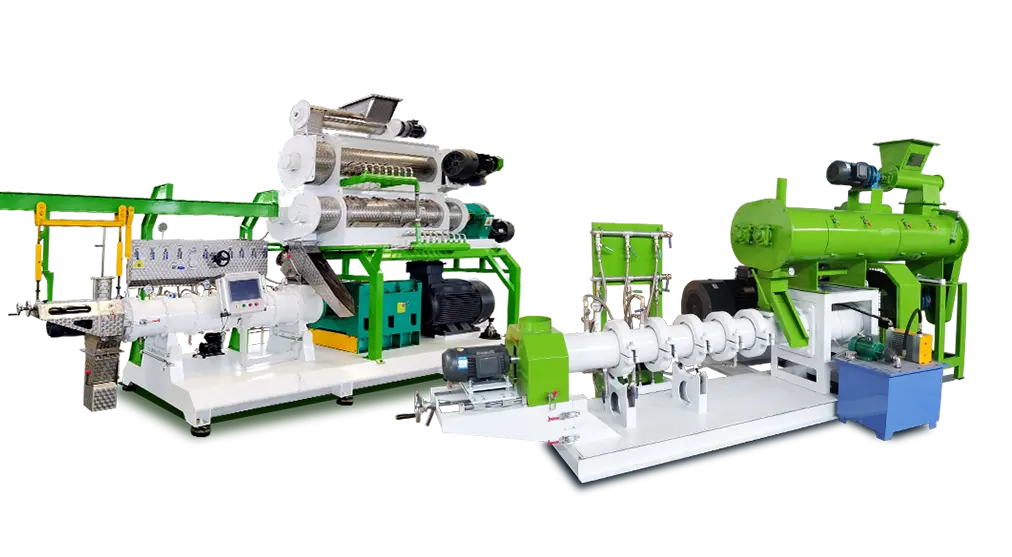
This dependency ensures long-term demand for advanced feed manufacturing systems such as aquatic feed production line solutions designed for industrial-scale output.
Understanding Market Demand Before Investment
Before investing in a production facility, it is essential to understand market segmentation.
Different regions require different feed types:
- Floating fish feed for pond farming
- Sinking feed for cage culture systems
- High-protein feed for intensive farming
- Low-cost formulations for emerging markets
Because of this diversity, flexible production systems are more valuable than single-purpose setups.
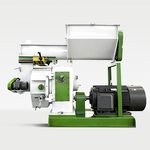
Many investors evaluate entry-level and mid-scale options such as a 2-3 T/H floating fish feed production line for sale to balance production capacity and initial investment risk.
This range is often considered ideal for new market entrants because it provides scalability without excessive financial pressure.
Key Factors That Determine Factory Success
A successful fish feed production facility depends on several critical elements:
1. Raw Material Handling System
Efficient storage and transportation of raw materials ensure continuous production without interruptions.
2. Grinding and Particle Control
Particle size directly influences feed digestibility and pellet quality.
3. Mixing Accuracy
Uniform ingredient distribution ensures consistent nutritional value in every batch.
4. Pelletizing Technology
Pellet quality determines how well feed performs in water environments.
5. Drying and Cooling Systems
Proper drying prevents mold growth and maintains pellet stability.
Each stage plays a role in determining final product performance.
Why Technology Selection Matters More Than Equipment Price
Many investors focus primarily on machine cost. However, this approach often leads to long-term inefficiencies.
The real value lies in system design, not individual machines.
Advanced systems from manufacturers like Richi Machinery manufacture integrate multiple production stages into a continuous workflow, improving efficiency and reducing labor dependency.
Well-designed systems also ensure:
- Stable production output
- Reduced energy consumption
- Lower maintenance costs
- Higher product consistency
Over time, these benefits far outweigh initial investment differences.
Capacity Planning: Choosing the Right Scale
One of the most important decisions in factory planning is production capacity.
Too small → limited profitability
Too large → wasted investment and idle capacity
Common production scales include:
- 1–2 T/H entry-level systems
- 2–3 T/H medium-scale systems
- 3–4 T/H commercial systems
- 4–5 T/H industrial systems
Each level serves different market demands and investment strategies.
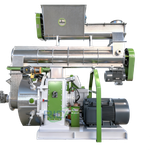
For example, a 3-4 T/H fish food processing line for sale is often chosen by investors targeting regional distribution networks and stable long-term contracts.
Automation and Smart Production Systems
Modern fish feed factories are increasingly adopting automation technologies.
These systems improve:
Production Precision
Automated dosing reduces human error.
Operational Stability
Continuous monitoring ensures consistent output.
Labor Efficiency
Fewer operators are needed to manage production.
Quality Control
Real-time feedback improves batch consistency.
Automation is no longer optional—it is becoming a standard requirement for competitive manufacturing.
Cost Structure and Profit Considerations
The profitability of a fish feed factory depends on several cost factors:
- Raw material cost (largest component)
- Energy consumption
- Labor costs
- Maintenance expenses
- Logistics and packaging
Efficient production systems reduce costs across all these areas.
Modern processing technologies such as advanced pelleting machine systems help improve pellet quality while minimizing energy consumption.
Sustainability and Environmental Pressure
Environmental regulations are becoming stricter worldwide.
Feed manufacturers must now focus on:
- Reducing waste discharge
- Improving energy efficiency
- Minimizing dust emissions
- Optimizing raw material usage
Sustainability is not only a regulatory requirement but also a competitive advantage in global markets.
The Role of Technical Knowledge in Investment Decisions
Investors who lack technical understanding often struggle during plant commissioning and operation phases.
That is why many rely on technical documentation, industry reports, and engineering references such as straight from the source materials to better understand system design and operational requirements.
Access to accurate technical information significantly improves decision-making quality.
Common Mistakes New Investors Make
Some of the most frequent mistakes include:
- Choosing equipment based only on price
- Ignoring production flow design
- Underestimating maintenance requirements
- Lack of raw material supply planning
- Overestimating short-term returns
Avoiding these mistakes significantly increases project success rates.
Future Outlook of Fish Feed Manufacturing
The industry is expected to continue growing due to:
- Rising global seafood demand
- Expansion of aquaculture farming
- Improved feed technology
- Increased investment in food security
Future factories will be more:
- Automated
- Data-driven
- Energy-efficient
- Environmentally friendly
- (Related Post: https://www.richipelletmill.com/fish-feed-production-line/)
Conclusion: Building for Long-Term Success
A fish feed production facility is not just an industrial project—it is a long-term business ecosystem.
Success depends on careful planning, proper technology selection, and understanding market needs. Investors who focus on system efficiency rather than short-term cost reduction are more likely to achieve sustainable profitability.
Whether starting with a small-scale system or planning a large industrial plant, strategic investment decisions will determine long-term competitiveness in the global aquaculture industry.
For those researching production technologies and project planning strategies, additional technical resources and case studies can be found through site here references, offering deeper insights into modern feed manufacturing systems.