



The global aquaculture industry is experiencing continuous growth as consumers demand more seafood products and traditional fishing resources face increasing pressure. To support this expansion, fish farmers need more efficient production methods that can improve growth performance while reducing environmental impact.
Among all factors influencing aquaculture success, feed management remains one of the most critical elements. High-quality feed determines not only fish growth speed but also production costs, water quality, and overall farm profitability.
As farming operations become larger and more professional, traditional feed processing methods are no longer enough to meet market expectations. Modern aquaculture requires feed products with better stability, improved digestibility, and consistent nutritional performance.
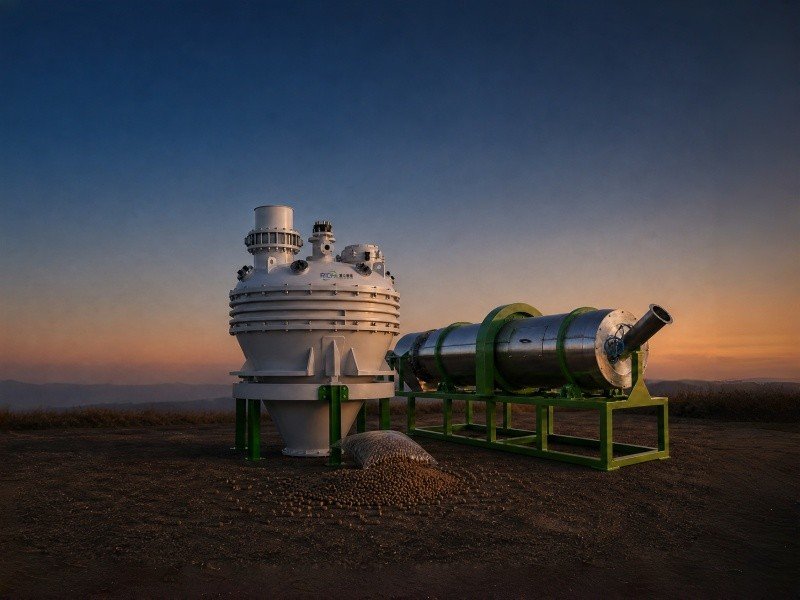
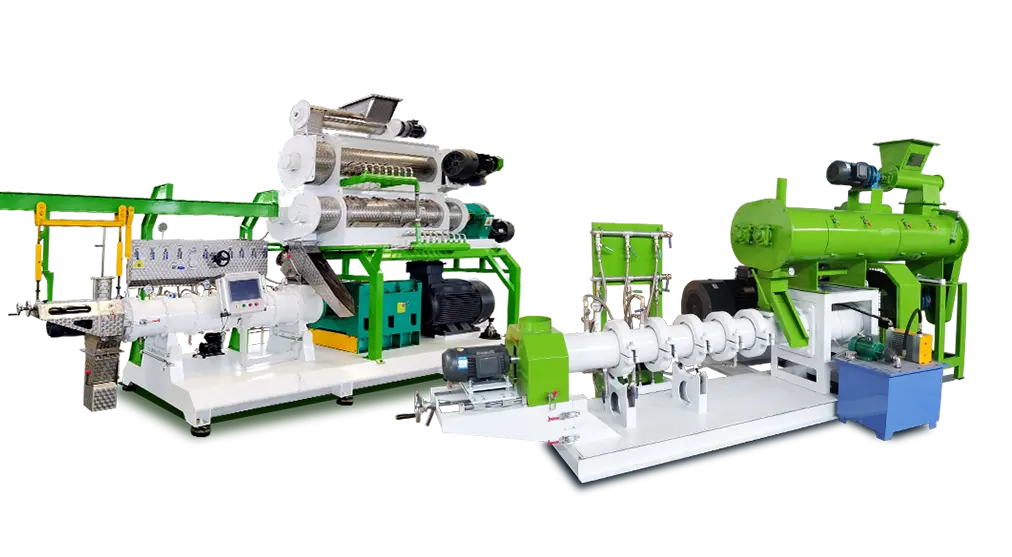
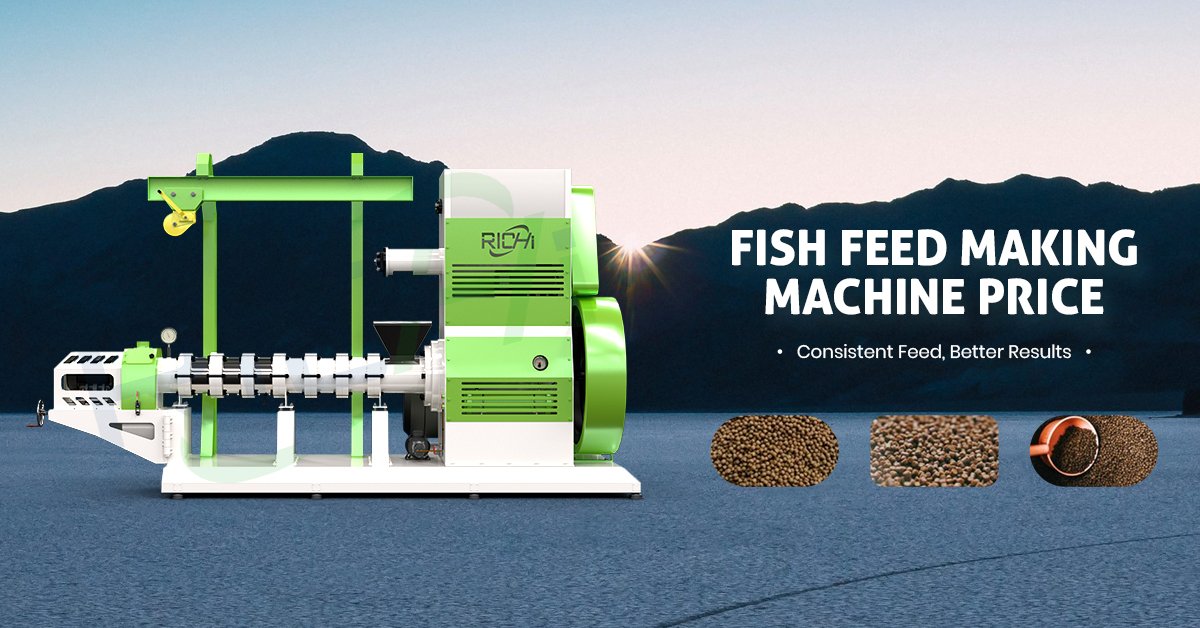
Advanced extrusion technology has become an important solution for achieving these goals. A reliable sinking fish feed machine allows manufacturers to produce dense aquatic pellets that match the feeding characteristics of various fish species.
The Evolution of Aquatic Feed Manufacturing
In the early stages of aquaculture development, many farms relied on simple feeding methods using agricultural by-products or basic feed mixtures.
Although these methods were inexpensive, they often created several limitations:
- Low nutrient utilization
- Poor water stability
- Uneven feeding results
- Increased environmental pollution
As aquaculture moved toward commercial production, the demand for professional feed manufacturing increased.
Modern aquatic feed production focuses on:
- Precise nutrition
- Stable pellet structure
- Efficient processing
- Reduced waste
This shift has encouraged feed manufacturers to adopt advanced production equipment and better processing technology.
(Related Post: https://www.richipelletmill.com/twin-screw-fish-feed-extruder/)
Why Feed Quality Determines Aquaculture Success
Fish growth depends heavily on the quality of available nutrients.
A high-performance feed should provide:
Balanced Nutrition
Fish require appropriate levels of:
- Protein
- Fat
- Carbohydrates
- Minerals
- Vitamins
Good Digestibility
Nutrients must be easily absorbed to support healthy growth.
Proper Physical Characteristics
Pellet size and density should match the feeding behavior of target species.
When feed quality improves, farmers can achieve:
- Better feed conversion ratios
- Faster growth cycles
- Lower production costs
The Advantages of Sinking Fish Feed
Different aquatic species have different feeding habits.
Some fish prefer feeding near the surface, while others naturally search for food underwater.
Sinking pellets are designed for species that require feed with higher density.
Key advantages include:
Better Feeding Behavior Matching
Sinking pellets follow the natural feeding patterns of many fish species.
Reduced Feed Floating Loss
The feed remains available in the farming area instead of drifting away.
Improved Farm Management
Farmers can better monitor feeding activities and adjust feeding strategies.
This makes sinking feed an important option for many commercial aquaculture operations.
How Modern Extrusion Technology Improves Feed Performance
Extrusion is one of the most advanced methods used in aquatic feed manufacturing.
The process combines:
- Heat
- Pressure
- Mechanical force
- Moisture control
These conditions transform raw ingredients into stable pellets.
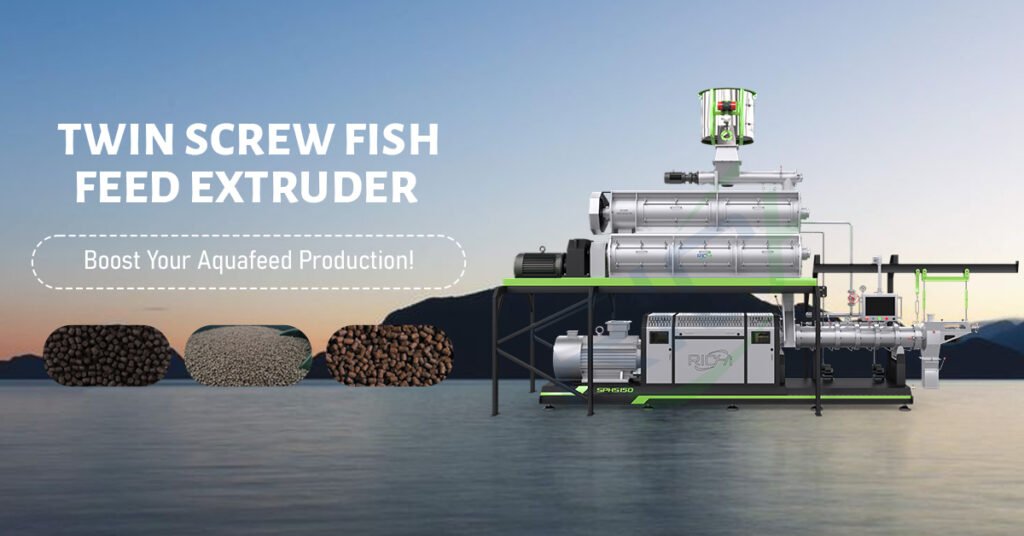
The extrusion process provides several important benefits.
Enhanced Nutrient Availability
Heat treatment improves the structure of certain ingredients, making nutrients easier for fish to absorb.
This helps improve:
- Growth performance
- Feed efficiency
- Farming profitability
Improved Water Stability
Aquatic feed must remain intact after entering water.
Poor-quality pellets may quickly dissolve, resulting in:
- Nutrient leakage
- Increased water pollution
- Higher feed expenses
Advanced extrusion technology helps create stronger pellets with better stability.
Flexible Pellet Specifications
Different species require different pellet sizes.
Extrusion systems allow manufacturers to produce various specifications by adjusting:
- Die diameter
- Cutting system
- Processing parameters
This flexibility allows feed producers to serve multiple markets.
Complete Production Steps of Sinking Fish Feed
A professional feed production facility includes several connected processes.
Ingredient Preparation
Raw materials are selected according to feed formulas.
Common ingredients include:
- Fish meal
- Soybean meal
- Wheat
- Corn
- Protein additives
- Functional supplements
Proper preparation ensures stable production quality.
Crushing
Grinding reduces ingredient particle size.
Benefits include:
- Improved mixing
- Better extrusion performance
- More uniform pellets
Mixing
Accurate mixing ensures every batch contains consistent nutrition.
Modern mixers improve:
- Formula accuracy
- Production efficiency
- Product reliability
Extrusion Processing
During extrusion, prepared materials are compressed and shaped into pellets.
The machine controls:
- Temperature
- Pressure
- Moisture
- Residence time
For businesses planning commercial aquatic feed production, selecting appropriate equipment capacity is essential.
Many investors consider systems such as the 3-4 T/H shrimp feed machine for sale to meet growing market demand.
Drying and Cooling
After extrusion, pellets require proper drying.
This improves:
- Storage performance
- Pellet durability
- Product quality
Cooling prepares pellets for packaging and transportation.
Packaging and Distribution
Finished feed products can be packaged according to customer needs.
Packaging options include:
- Retail bags
- Farm supply bags
- Bulk transportation
Efficient packaging helps manufacturers expand their market reach.
Why Complete Feed Production Solutions Are Becoming Popular
Modern feed businesses increasingly prefer complete production solutions instead of purchasing separate machines.
A complete system offers:
Better Compatibility
All equipment works together efficiently.
Easier Operation
Centralized control simplifies production management.
Reduced Investment Risk
Professional planning avoids unnecessary equipment purchases.
Long-Term Technical Support
Experienced suppliers provide assistance throughout the project lifecycle.
Manufacturers with engineering experience can design solutions based on:
- Raw materials
- Output requirements
- Factory conditions
- Target market
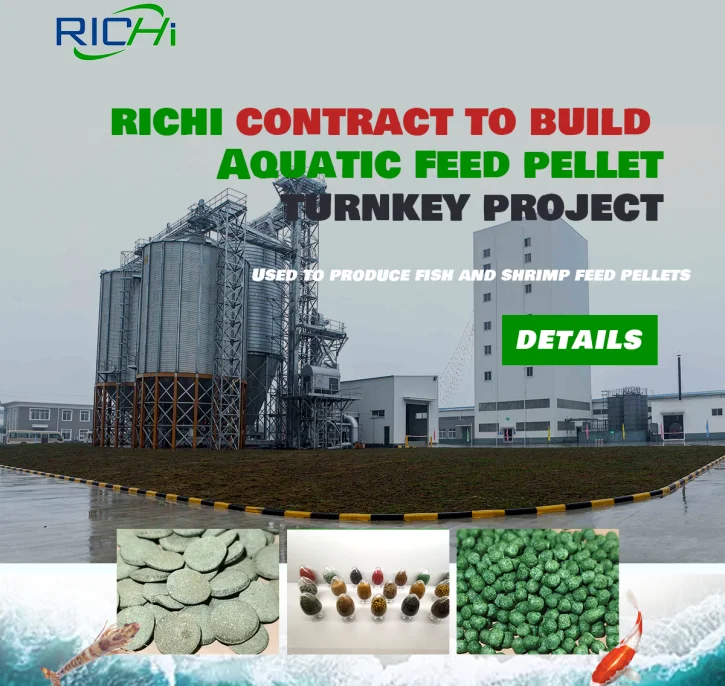
Companies working with Richi Pellet Mill can benefit from customized aquatic feed production solutions designed for different business scales.
Selecting the Right Capacity for a Feed Factory
Capacity planning affects both investment and profitability.
Businesses should consider:
- Current customer demand
- Future expansion plans
- Available raw materials
- Production budget
Small producers may choose compact systems, while larger enterprises require continuous high-output equipment.
For companies expanding production gradually, options such as the 2-3 T/H shrimp feed pellet machine for sale can provide a balance between investment cost and production capability.
How Automation Supports Modern Feed Factories
Automation is transforming aquatic feed production.
Modern factories use:
Automated Control Systems
Operators can manage production parameters more easily.
Intelligent Monitoring
Real-time data helps improve efficiency.
Automatic Feeding Systems
Stable material supply improves pellet consistency.
Production Data Management
Records help optimize future operations.
Automation reduces human errors and improves overall factory performance.
Sustainability Trends in Aquatic Feed Production
Sustainability is becoming increasingly important in the aquaculture industry.
Modern feed technology helps achieve this goal by:
- Improving nutrient utilization
- Reducing feed waste
- Lowering environmental impact
- Supporting efficient farming
Future developments will focus on:
- Alternative ingredients
- Precision nutrition
- Energy-saving equipment
- Smarter production systems
Choosing an Experienced Equipment Partner
Building a successful aquatic feed factory requires professional planning.
Important supplier capabilities include:
- Engineering design
- Equipment manufacturing
- Installation support
- Technical training
- After-sales service
Experienced manufacturers understand the relationship between machinery performance and feed quality.
Businesses researching aquatic feed technology can straight from the source to learn more about production solutions and industry developments.
The Future of Global Aquaculture
As seafood demand continues increasing, efficient aquaculture production will become more important.
Feed technology will continue influencing:
- Farm productivity
- Resource efficiency
- Environmental sustainability
Companies that invest in advanced feed processing systems will have stronger opportunities in future markets.
Conclusion
The development of aquatic feed technology is changing the way fish farming operates.
A professional sinking fish feed machine provides manufacturers with the ability to produce high-quality sinking pellets that support efficient and sustainable aquaculture.
By combining advanced extrusion technology, proper production planning, and reliable equipment solutions, feed manufacturers can improve competitiveness and meet the changing needs of global fish farming.
With support from experienced suppliers such as Richi Pellet Mill, businesses can establish efficient aquatic feed production systems that create long-term value in the growing aquaculture industry.