




Starting a poultry feed production business is one of the most promising opportunities in modern agriculture. With the global demand for chicken meat and eggs increasing rapidly, poultry farmers require large quantities of high-quality feed every day. Feed represents the largest cost component in poultry farming, often accounting for 60%–70% of total production expenses. Because of this, establishing a reliable and efficient feed production business can be highly profitable and sustainable.
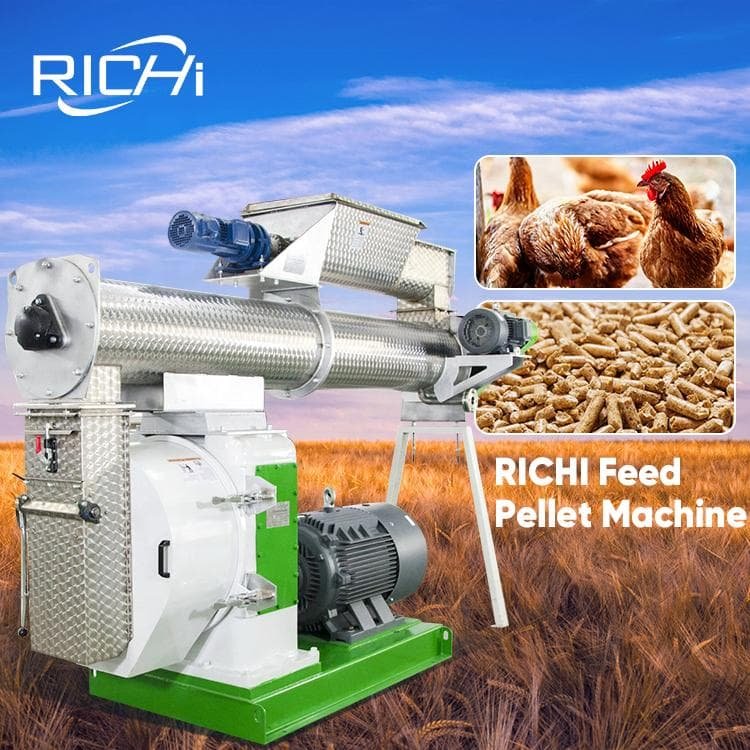
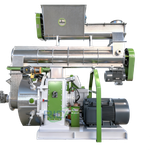
A poultry feed production business involves manufacturing balanced, nutritious feed for chickens, ducks, turkeys, and other poultry species. The business typically includes raw material procurement, feed formulation, grinding, mixing, pelletizing, cooling, packaging, and distribution. One of the most important pieces of equipment in this process is the poultry feed pellet machine, which converts powdered feed ingredients into uniform pellets that improve digestibility and reduce waste.
Before starting such a business, it is important to understand market demand, production technology, equipment selection, raw materials, investment requirements, and operational strategies. This article provides a complete guide on how to start a poultry feed production business successfully.
One of the first steps in starting a poultry feed production business is conducting market research. Understanding local demand for poultry feed is essential for determining production scale and target customers. Potential customers include commercial poultry farms, small-scale farmers, feed distributors, and agricultural cooperatives. It is also important to analyze competitors, pricing strategies, and product types available in the market.
Different regions may have different feed demands depending on poultry farming intensity and available raw materials. In areas with large poultry industries, demand for feed is typically high and stable. In rural or developing regions, there may be opportunities to supply affordable and locally produced feed. Identifying the right market helps ensure long-term business success.
After market research, the next step is choosing a suitable business model. A poultry feed production business can operate at different scales, including small-scale local feed production, medium-sized commercial feed plants, or large industrial feed factories. Small businesses may focus on supplying nearby farms, while larger operations may distribute feed across multiple regions.
The choice of scale directly affects investment requirements, equipment selection, and production capacity. A small business may start with basic machinery, while a larger facility requires fully automated production lines. Regardless of scale, the poultry feed pellet machine is a central component in all feed production systems because it determines feed quality and production efficiency.
https://richipelletizer.com/poultry-feed-pellet-machine-price
Selecting the right location is another important factor. A feed production facility should be located near raw material sources such as corn, soybean farms, or agricultural supply markets. This helps reduce transportation costs and ensures stable raw material supply. The location should also have good access to roads and logistics infrastructure to facilitate product distribution.
Once the location is determined, the next step is investing in equipment. Feed production requires several types of machinery, including grinders, mixers, conveyors, pellet machines, cooling systems, screening equipment, and packaging machines. Among these, the poultry feed pellet machine is the most critical because it transforms powdered feed into high-quality pellets.
The poultry feed pellet machine works by compressing feed materials through a die under high pressure and temperature. This process improves feed structure, enhances digestibility, and reduces feed waste. Pelletized feed is easier for poultry to consume and ensures balanced nutrition intake. It also reduces feed loss during feeding, which is a major advantage for both farmers and feed producers.
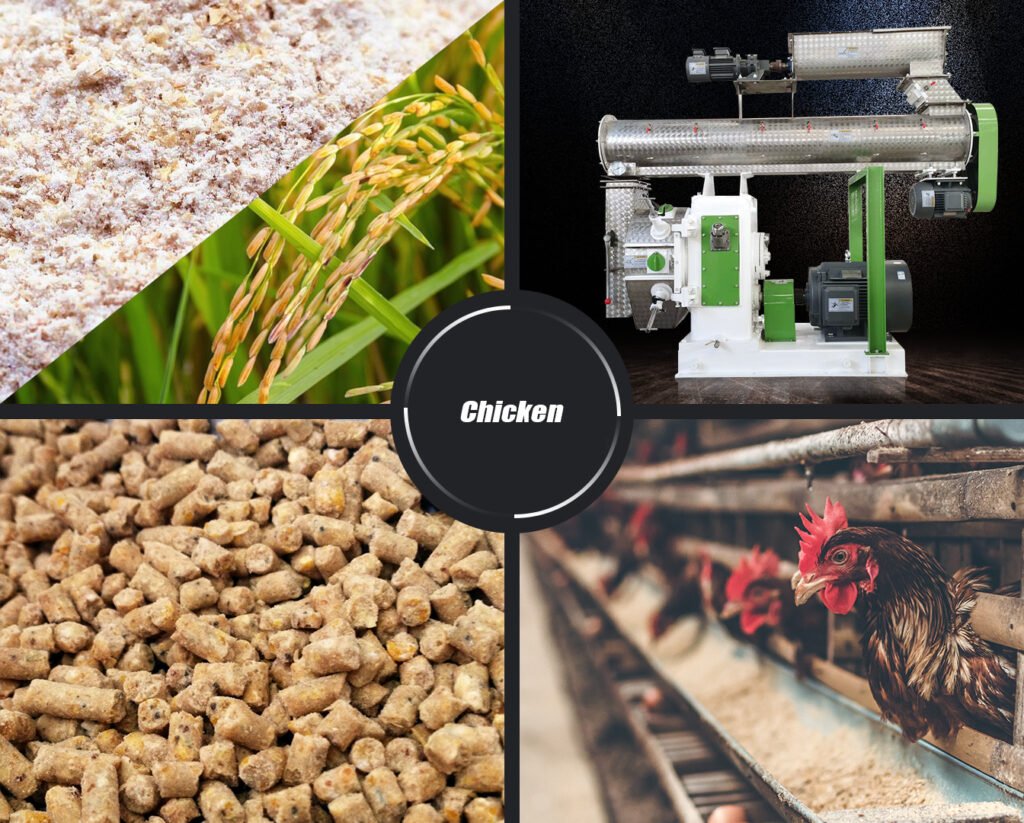
When planning investment, one of the key considerations is poultry feed pellet machine price. The price of a pellet machine can vary significantly depending on capacity, automation level, material quality, and brand. Small-scale pellet machines may cost only a few thousand dollars, while industrial-grade automated systems can cost tens of thousands of dollars or more. Understanding the poultry feed pellet machine price is essential for budgeting and financial planning.
However, it is important not to choose equipment based solely on price. A cheaper machine may have lower durability, lower efficiency, and higher maintenance costs in the long run. A high-quality machine may require a larger initial investment but will provide better production stability, lower energy consumption, and higher output efficiency. Therefore, balancing cost and performance is essential when selecting equipment.
Raw material sourcing is another critical aspect of poultry feed production. Feed is typically made from a combination of energy sources, protein sources, vitamins, and minerals. Common ingredients include corn, soybean meal, wheat bran, fish meal, rice bran, limestone, salt, and vitamin premixes. The quality and cost of raw materials directly affect feed quality and business profitability.
Establishing reliable supplier relationships is essential for maintaining consistent production. Many feed businesses purchase raw materials in bulk during harvest seasons when prices are lower. Proper storage systems are also important to prevent spoilage, moisture damage, and contamination.
Once raw materials and equipment are in place, the production process begins. The first stage is grinding, where raw materials are crushed into fine powder. This ensures uniform particle size and improves mixing efficiency. Next is mixing, where all ingredients are blended evenly to ensure balanced nutrition in every batch of feed.
After mixing, the feed enters the conditioning stage, where steam and moisture are added to improve texture and prepare the material for pelletizing. Conditioning also helps improve feed safety by reducing harmful microorganisms. This stage is essential for producing high-quality feed pellets.
The conditioned feed is then processed by the poultry feed pellet machine, where it is compressed into pellets. This stage is the core of the production process. The quality of pellets depends on machine performance, raw material composition, and operating conditions. Proper pellet size and density must be maintained to ensure optimal feed performance.
After pelletizing, the feed is cooled to reduce temperature and moisture content. Cooling is necessary to stabilize pellet structure and prevent spoilage. Once cooled, the pellets are screened to remove broken particles and ensure uniform product quality. Finally, the finished feed is packaged and prepared for distribution.
Quality control is extremely important in poultry feed production. Poor-quality feed can lead to slow bird growth, diseases, and financial losses for farmers. Regular testing of feed composition, moisture content, and pellet durability helps ensure consistent product quality. Maintaining high standards builds trust with customers and strengthens market competitiveness.
Another important factor in running a successful feed production business is automation. Modern feed production systems increasingly rely on automated control systems to improve efficiency and reduce labor costs. Automation ensures precise ingredient measurement, stable processing conditions, and consistent product output. It also reduces human error and increases production speed.
(Learn more about industrial poultry feed production line)
Energy efficiency is also an important consideration. Feed production requires electricity for grinding, mixing, pelletizing, and cooling. Choosing energy-efficient equipment helps reduce operating costs and improve profitability. The poultry feed pellet machine is particularly important in this regard, as it consumes a significant portion of production energy.
Marketing and distribution strategies are also essential for business success. A poultry feed production business must build strong relationships with farmers, distributors, and agricultural suppliers. Offering competitive pricing, consistent quality, and reliable delivery helps attract long-term customers. Branding and reputation play a key role in expanding market share.
In addition to selling feed, some businesses also offer customized feed formulations based on customer requirements. This value-added service can increase profitability and strengthen customer loyalty. Providing technical support and feeding guidance can also enhance business credibility.
Financial planning is another key factor in starting a poultry feed production business. Initial investment includes land, building construction, machinery, raw materials, labor, and operational costs. Understanding poultry feed pellet machine price and total production line cost is essential for calculating return on investment. A well-planned business can achieve profitability within a reasonable period depending on market conditions.
Risk management is also important. Risks in feed production include raw material price fluctuations, equipment breakdown, market competition, and regulatory changes. Proper planning, maintenance, and supplier diversification can help reduce these risks.
The poultry feed industry continues to grow due to increasing global demand for poultry products. This creates strong opportunities for new businesses entering the market. With proper planning, efficient equipment, and high-quality production systems, a poultry feed production business can achieve long-term success and stability.
In conclusion, starting a poultry feed production business requires careful planning, investment in quality equipment, and a strong understanding of the market. The poultry feed pellet machine plays a central role in production efficiency and product quality, making it one of the most important investments in the business.
By analyzing poultry feed pellet machine price, selecting the right production system, ensuring quality raw materials, and implementing efficient production processes, entrepreneurs can build a profitable and sustainable poultry feed business. As global demand for poultry continues to rise, the feed production industry offers strong growth potential and long-term opportunities for success.