



A poultry feed mill plant should be sized around the feed that customers will buy, the hours the plant can operate and the quality that must be maintained. A high nameplate capacity does not guarantee a low production cost if the mill spends much of the day waiting for ingredients, changing formulas, cleaning equipment or clearing bottlenecks. Investors need to compare the cost of producing saleable feed, not simply the purchase price of the pellet mill or the rated output of the complete line.
The most useful economic model connects four things: product mix, process configuration, operating schedule and the cost of keeping the line available. This helps distinguish a plant that is inexpensive to install from one that can consistently produce the required feed at a competitive cost.
Establish the products and production schedule first
Start by listing the feed products the plant will manufacture. Broiler starter, grower and finisher feeds may use different particle sizes and formulations. Layer feed may require a different nutrient profile and product form. Mash, pellets and crumbles also place different demands on grinding, mixing, conditioning, pelleting and screening. The product mix determines how often the plant changes recipes and settings, which in turn affects cleaning time, production sequencing and actual output.
Estimate monthly demand for each product and convert it into a realistic operating schedule. Separate planned production hours from paid shift hours. Include start-up, shutdown, sanitation, changeovers, routine maintenance and expected interruptions. A plant designed for a nominal 8-hour shift should not be costed as if every minute were productive. If demand is seasonal, compare the cost of a smaller line running more consistently with a larger line that may be underutilized.
Identify the cost boundary across the complete process
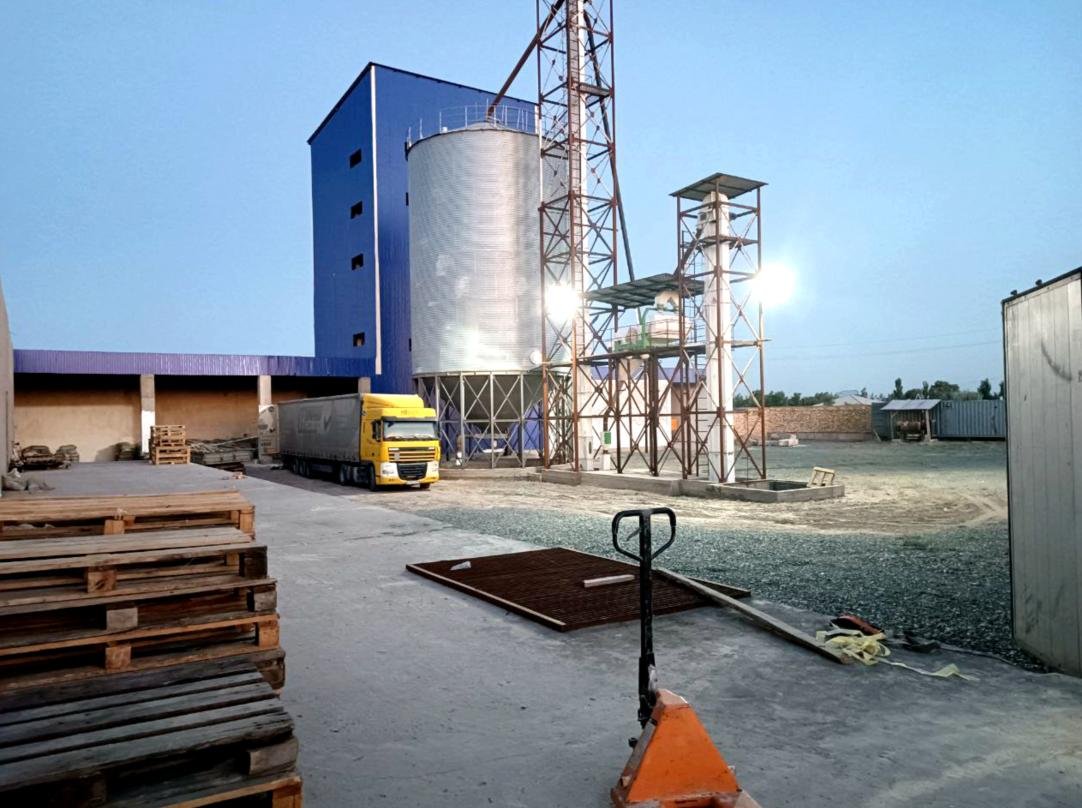
A typical poultry feed process may include receiving and cleaning, grinding, batching, mixing, conditioning, pelleting, cooling, screening and packing. Each stage consumes energy, labour and maintenance resources. Storage, dust collection, elevators, conveyors, boiler systems and compressed air may also contribute to the plant’s operating cost. If the quotation covers only the main machines, the investor should add the cost of the omitted infrastructure before comparing suppliers.
Raw-material handling is especially important. Ingredient bins, receiving pits and conveying equipment must support the planned recipe and delivery pattern. If grain arrives in bulk but protein meals arrive in bags, the receiving and storage design may be different. Poor ingredient flow can force manual handling or create production delays even when the processing equipment has sufficient capacity.
Keep a written assumption sheet alongside each supplier proposal. Record the material conditions, product range, output basis, operating hours, utility tariffs, included equipment, installation scope and excluded work. If two suppliers use different assumptions, normalize the comparison or ask for revised quotations. A transparent assumption sheet is often more useful than a single headline price because it shows exactly why one configuration costs more than another.
Model energy use by process stage
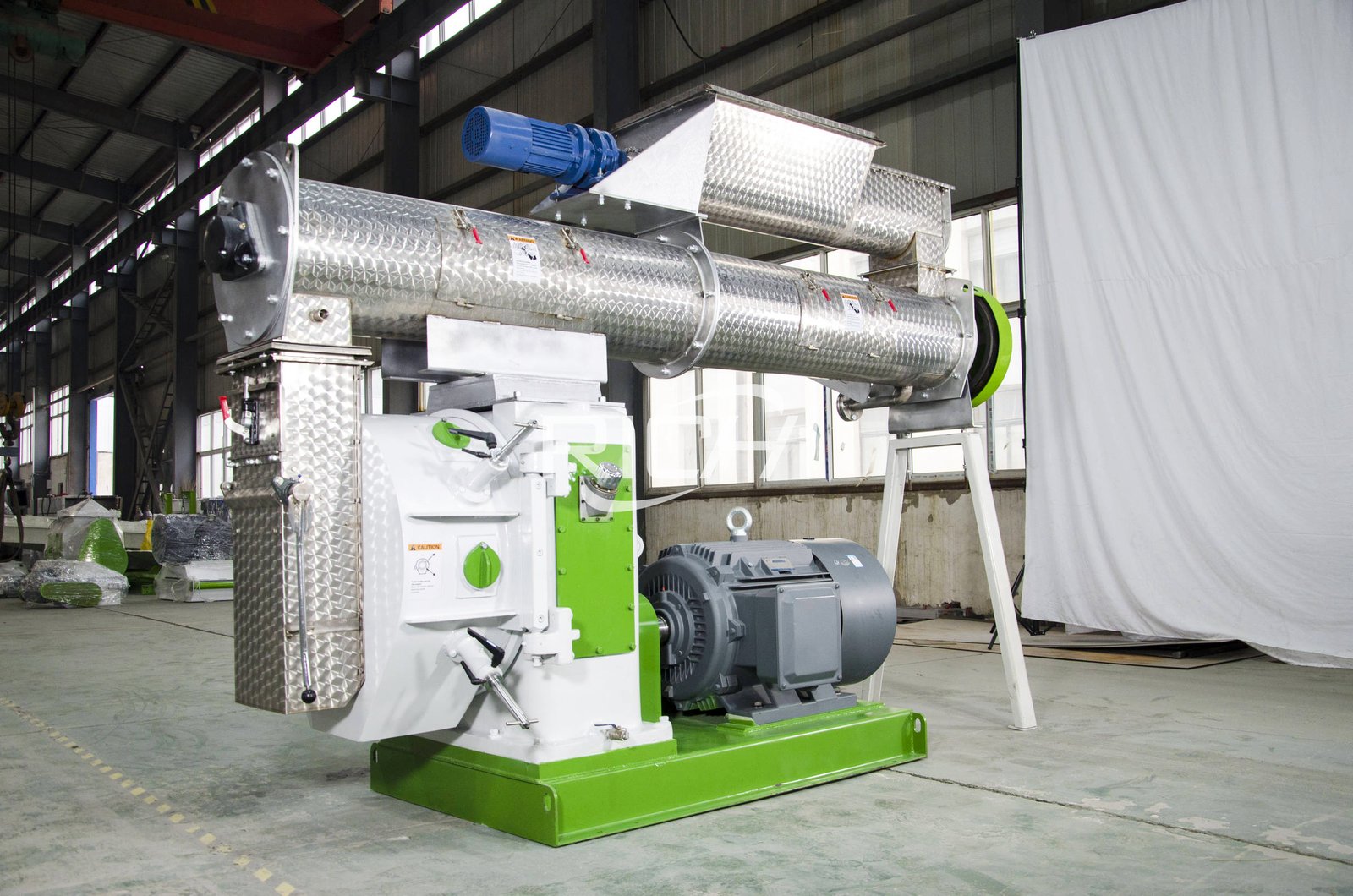
Grinding, mixing, pelleting, conveying, cooling and dust collection all use electricity. Steam may be required for conditioning, depending on the feed formula and process. The installed motor power is not the same as average demand: motors do not all run at full load continuously, and production conditions change with the product. Ask suppliers to state the basis of any energy estimate, including material, throughput, operating hours and equipment included.
For a preliminary comparison, calculate electricity consumption from measured or estimated average load multiplied by operating hours. Multiply the resulting kilowatt-hours by the local tariff. Treat steam separately, using the expected steam consumption and the actual cost of fuel, water treatment and boiler operation. Do not combine steam and electricity into one generic energy number unless the conversion basis is clearly stated.
For reference, an approved planning benchmark for a 3–4 t/h feed production case is approximately 50–60 kWh per tonne for pelleting electricity and 70–80 kg of steam per tonne. These figures are not universal guarantees. Formula, moisture, grinding fineness, conditioning, die selection and equipment loading can change actual consumption. A supplier’s estimate should be checked against the plant’s product range and the intended operating conditions.
Include wear parts and planned maintenance
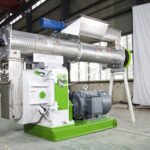
Wear-part cost is often underestimated during early project comparisons. Hammer mills require attention to hammers and screens; pellet mills require die and roller inspection; conveyors, elevators, fans and bearings have their own service needs. The frequency of replacement depends on operating hours, material characteristics, maintenance practice and the quality of the components. Ask suppliers for a recommended maintenance schedule and an initial spare-parts list, then obtain local prices and lead times where possible.
Maintenance also consumes production time. A planned die change can be scheduled during a low-demand period, while an unexpected bearing failure may interrupt an entire production sequence. Estimate both the direct cost of parts and labour and the opportunity cost of lost production. For a plant serving its own poultry farms, a missed feed delivery may have consequences beyond the mill’s accounting system.
Calculate cost per tonne of saleable feed
A useful comparison divides relevant annual operating costs by annual saleable tonnes. Include electricity, steam or fuel, labour, routine maintenance, wear parts, packaging, cleaning and waste handling. Deduct or separately account for product that cannot be sold because it is off specification, contaminated or damaged. This avoids a misleading comparison in which one plant appears cheaper only because its yield losses or downtime have been ignored.
Consider a simplified example. If a plant produces 4,000 tonnes of saleable feed in a year and its attributable conversion costs are USD 160,000, its conversion cost is USD 40 per saleable tonne. If a second configuration costs USD 180,000 but produces 5,000 saleable tonnes, its conversion cost is USD 36 per tonne. The second case is more economical on this limited basis, but only if the additional demand exists and the quality and operating assumptions are comparable. Ingredient cost should normally be shown separately because it is driven primarily by formulation and purchasing strategy.
Use sensitivity analysis to expose the important assumptions
Test the model against changes in operating hours, utilization, energy tariffs, labour cost, wear-part life and saleable yield. A plant with high fixed costs may perform well at high utilization but become expensive when demand falls. A highly automated line may reduce labour per tonne but require a larger initial investment and more specialized maintenance. A simpler line may be easier to service locally but need more operators or manual handling.
| Variable | Question to test | Cost implication |
|---|---|---|
| Utilization | What if actual demand is 20% below forecast? | Fixed cost per tonne increases |
| Energy tariff | What happens if electricity or fuel prices rise? | Energy-intensive stages become more expensive |
| Wear life | What if die or hammer replacement is more frequent? | Parts and downtime cost increase |
| Product mix | How many changeovers are required each week? | Available production hours decrease |
| Yield | How much product is downgraded or rejected? | Saleable tonnes decrease |
| Labour | Can local staff operate and maintain the selected automation? | Staffing and training cost change |
Match capacity to the real bottleneck
Capacity planning should cover every stage. A grinding system that cannot supply the mixer will limit the plant, while a cooler or packing system that cannot accept the pellet mill’s discharge will also restrict throughput. Ask for the capacity basis of each machine and identify the expected buffer storage between operations. For a plant with several recipes, confirm whether batching and mixing can keep pace with the required sequence.
Do not increase the pellet mill capacity without checking the boiler, electrical supply, ingredient handling, cooling, screening and packing. A larger machine can shift the bottleneck rather than remove it. If future expansion is expected, identify the civil space, electrical reserve and conveying routes that should be prepared during the first phase.
Compare supplier quotations on a common scope
Request a process flow diagram, equipment list, installed power schedule, utility estimate, building requirements, foundation loads, automation scope and installation responsibilities. Confirm what is included in the price: steel structures, bins, conveyors, boiler, air compressor, electrical controls, packing and commissioning may be quoted separately. Compare freight, taxes, installation, training and spare parts as well as the equipment price.
When assessing a poultry feed mill plant configuration, provide the supplier with the intended feed formulas, monthly demand by product, raw-material list, operating schedule and site information. These inputs allow the proposed line to be assessed against the actual business case rather than a generic capacity target.
The best investment is the plant whose capacity, product quality, utilities, staffing and maintenance plan fit the expected demand. A disciplined cost-per-tonne model makes trade-offs visible and gives the investor a practical basis for choosing between equipment scopes before committing capital.
Separate fixed costs from costs that rise with production
For a more useful investment model, divide expenses into fixed and variable categories. Building depreciation, core staffing, insurance and some service contracts may continue even when the plant runs below capacity. Electricity, fuel, packaging and some wear costs generally increase with production, although not always in a perfectly linear way. This distinction helps investors understand why low utilization can raise the cost per tonne even when the plant’s energy consumption per tonne appears reasonable.
Calculate a low, expected and high production case using the same accounting boundary. In each case, state the operating days, shifts, effective production hours, product mix and saleable yield. Do not assume that a line can move instantly from one product to another without cleaning or adjustment. If the product mix changes, the available production time and the amount of rework may change as well.
Check the cost of quality and process losses
Feed that fails the agreed specification may need to be screened again, reprocessed, downgraded or discarded. Each option has a cost. Reprocessing consumes additional handling and energy capacity, while downgrading can reduce the selling price. Include sampling, laboratory checks and routine process-control activities in the operating plan. The aim is not to add unnecessary testing, but to prevent a small process deviation from becoming a large volume of off-specification product.
Ask the supplier which process measurements are available, such as motor current, batch weight, temperature, steam pressure or line alarms. These measurements help operators identify changes before they affect a full production batch. The value of automation should therefore be assessed not only by labour savings but also by the visibility and repeatability it provides.
Document assumptions before comparing quotations
Frequently Asked Questions About Poultry Feed Mill Plant Costs
What determines the total cost of a poultry feed mill plant?
The main factors are production capacity, product range, raw-material handling, grinding and mixing requirements, pelleting and cooling equipment, automation, storage, utilities, building work and installation scope. A reliable estimate must include the complete process route, not only the pellet mill price.
Is the quoted tonnes-per-hour capacity the output of the whole plant?
Not always. Some quotations state the capacity of a key machine, while others refer to the integrated line under defined material conditions. Ask suppliers to identify the rated capacity of each stage and the expected bottleneck, including grinding, batching, mixing, cooling and packing.
What information should I provide to receive an accurate quotation?
Provide the required hourly and annual output, poultry feed types, formulas or ingredient list, pellet sizes, operating shifts, raw-material delivery method, site dimensions, available electricity and steam conditions, and the desired installation scope. These details help suppliers select equipment and identify project exclusions.
Does a more automated feed mill always cost less to operate?
No. Automation can reduce manual weighing and handling and improve process repeatability, but it increases initial investment and may require specialized maintenance. Its value depends on plant capacity, formula changes, labour availability, accuracy needs and operating hours.
How should I compare two poultry feed plant quotations?
Compare them against the same output basis and scope. Check equipment included, installed power, utilities, storage, steel structures, boiler, electrical controls, installation, commissioning, training, spare parts and warranty. List exclusions separately and compare expected conversion cost per tonne of saleable feed.