





Choosing production capacity is one of the first decisions when establishing an on-farm or commercial poultry feed operation. A machine with insufficient output can create production bottlenecks, while an oversized system may remain underutilized for much of the working day. The objective is therefore not simply to select the largest available equipment, but to match production capacity with actual feed demand.
When evaluating chicken feed pellet machine capacity, poultry producers should consider daily consumption, operating hours, raw material availability, pellet specifications, and possible future expansion.
Start With Daily Feed Consumption
The simplest way to estimate capacity is to calculate how much feed the farm requires every day.
Suppose a poultry farm needs 6 tons of finished feed per day and plans to operate the pelletizing section for six hours. The theoretical requirement would be around 1 ton per hour. However, the actual system should also allow time for startup, shutdown, cleaning, adjustments, and routine maintenance.
This means the nominal output should not always be treated as the exact amount of finished pellets produced every working hour.
Consider Different Growth Stages
Poultry feed demand can change significantly as birds move through different growth stages. Chicks, growers, and mature birds may require different feed formulations and consumption levels.
A farm should therefore consider its feeding schedule when calculating equipment requirements.
If the operation expects to expand its flock, selecting a system with some additional capacity can reduce the need for another equipment upgrade in the near future.
Raw Materials Influence Production
Poultry feed commonly includes corn, soybean meal, wheat bran, rice bran, fish meal, vitamins, minerals, and other ingredients.
Before pelletizing, many of these materials need to be ground to a suitable particle size. A hammer mill must therefore have enough capacity to keep up with the downstream pelletizing process.
If grinding is too slow, the pellet machine may frequently wait for prepared material. Similarly, an undersized mixer can become a bottleneck before pelletizing even begins.
The entire process should therefore be balanced rather than selecting capacity for only one machine.
Compare Related Livestock Applications
Poultry farms may also produce feed for other livestock species. Comparing similar equipment can help producers understand how capacity requirements vary between applications.
For example, sheep feed pellet machine capacity can be evaluated when a farm also produces ruminant feed. Although sheep and poultry have different nutritional requirements, both applications demonstrate the importance of matching production output to actual daily demand.
The raw material characteristics and final pellet specifications should always be considered separately for each formula.
How Does the Production Flow Work?
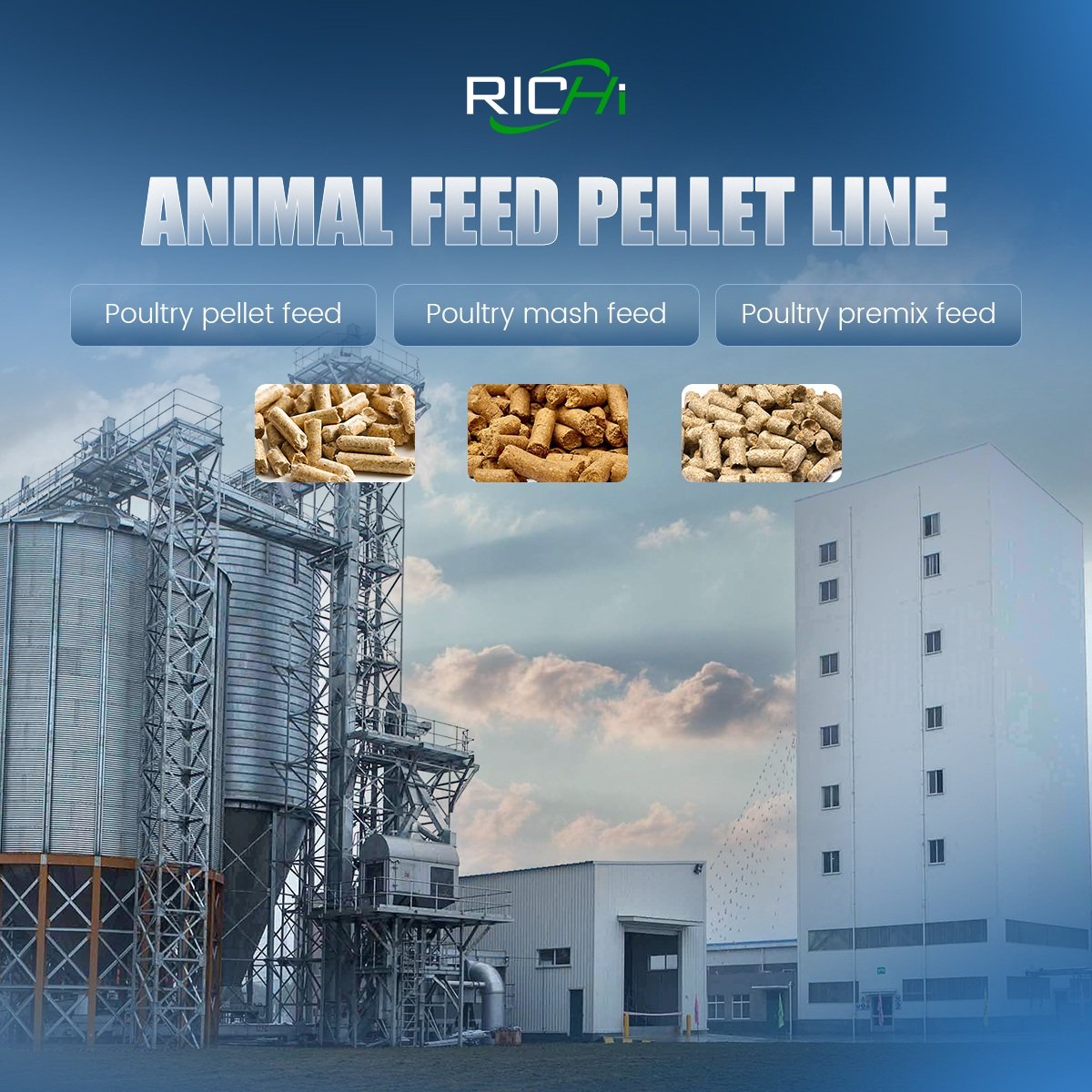
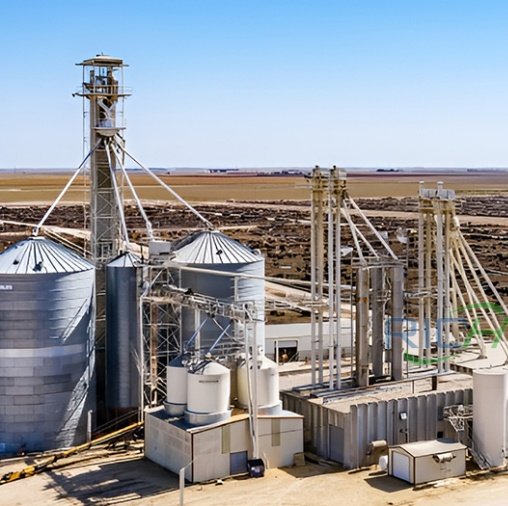
A typical poultry feed process begins with raw material receiving and preparation. Grains and other suitable ingredients are crushed before entering the batching and mixing section.
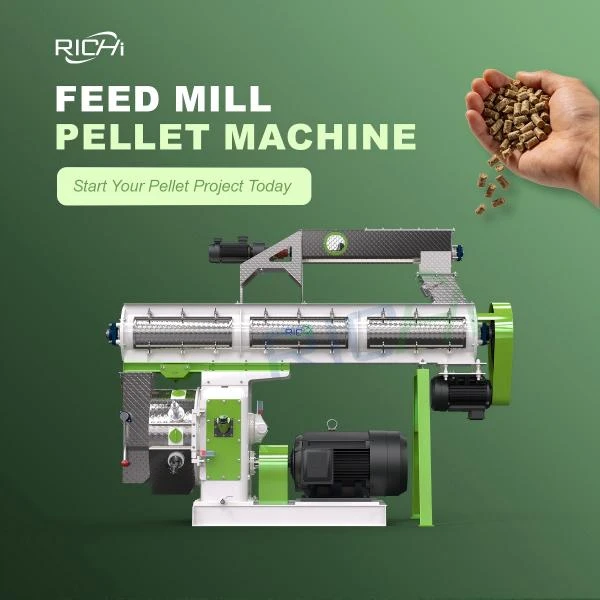
After ingredients are thoroughly mixed, the feed enters the pelletizing machine. Pressure forces the conditioned material through the die to create compact pellets.
Fresh pellets then move into the cooling section. Screening removes excessive fines and irregular particles before the finished product is conveyed to storage or packaging.
Each stage needs to provide sufficient throughput for the next stage.
Pellet Diameter Matters
Capacity should not be considered separately from pellet specifications. Poultry feed may require different pellet diameters depending on bird age and feeding requirements.
Changing die specifications can affect production performance. Material formulation, moisture, particle size, and conditioning can also influence output.
For this reason, buyers should provide detailed pellet requirements when requesting equipment recommendations.
Manual or Automated Production?
Small farms may choose a relatively simple system with manual ingredient handling and basic controls.
Larger poultry operations may benefit from automatic batching, computerized weighing, centralized control, conveyors, cooling, screening, and packaging.
Automation can reduce manual labor and improve consistency, but it also increases the initial complexity of the project. The right level should be determined according to production scale and available labor.
Build Capacity Around the Entire System
A balanced pellet making machine system should avoid major differences between grinding, mixing, pelletizing, cooling, and packaging capacities.
For instance, installing a high-output pelletizer while using an undersized mixer can prevent the overall plant from reaching its potential output.
Farmers should therefore evaluate the complete process rather than focusing on a single machine specification.
Before making a purchase, prepare the daily feed requirement, main ingredients, target pellet size, operating hours, available space, and expected future production. These details provide a stronger basis for equipment selection.
Producers can also visit this site to review additional information about feed-processing equipment and production system design.
Ultimately, the correct capacity is the one that supports reliable daily production without creating unnecessary investment. A carefully balanced system can provide poultry farms with stable feed production while leaving enough flexibility for future development.
Related post:https://pelletizerequipment.com/poultry-feed-production-line/