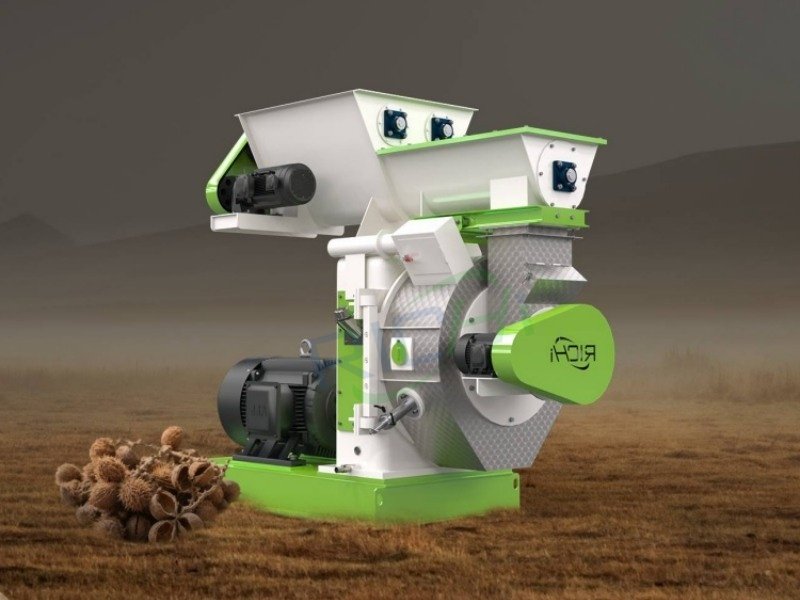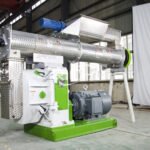

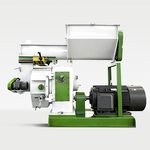
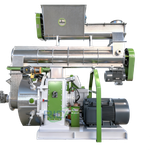




A corn stalk pellet machine is the core forming equipment in many agricultural residue projects, but a commercial operation usually depends on several connected stages. A properly planned production process moves material from its loose agricultural state toward a dense, consistent pellet that can be stored, transported, and sold.
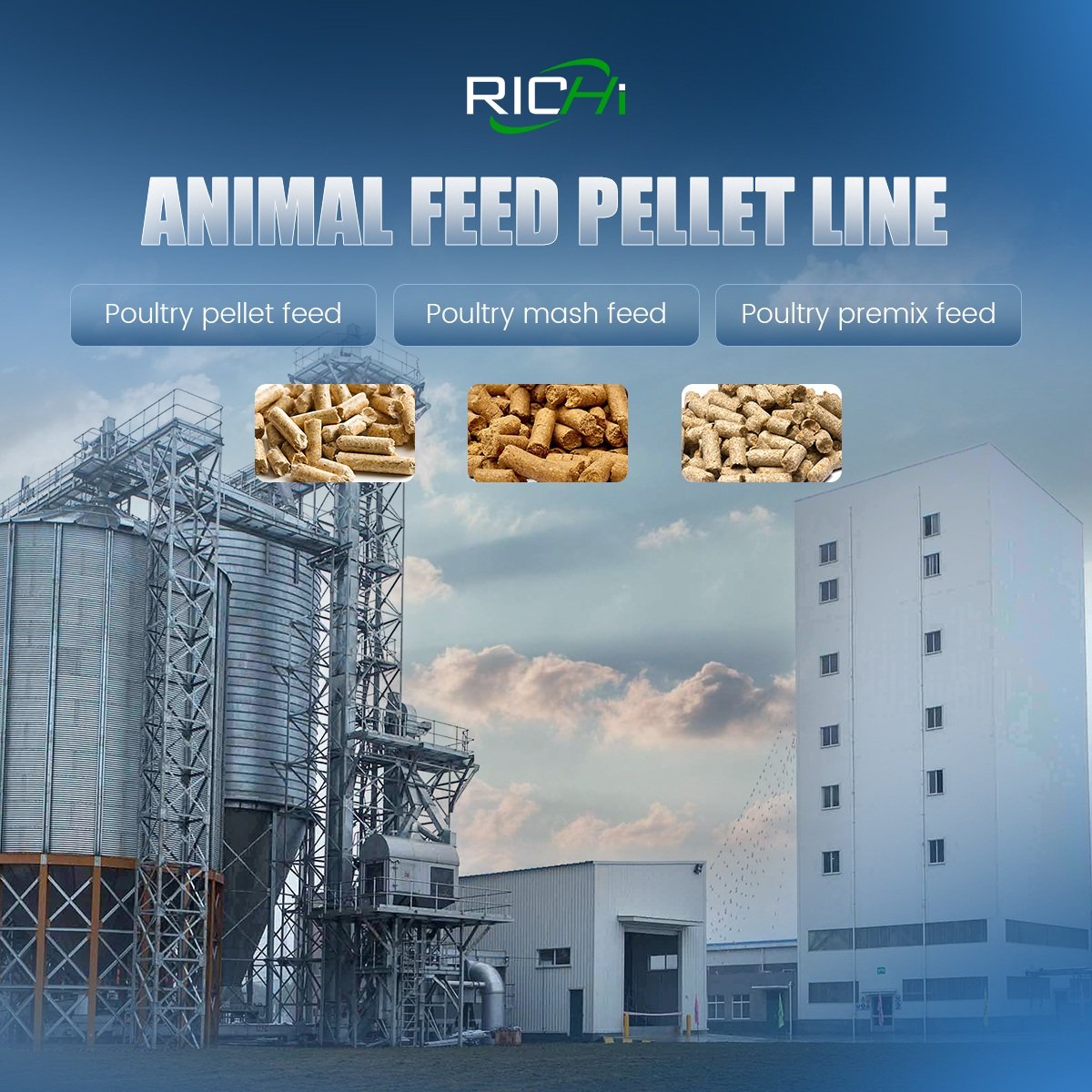
For this reason, a straw pellet production line should be designed around material flow rather than simply placing several machines inside the same building.
Raw Material Receiving
The process begins before the pellet mill. Corn stalks need to reach the factory in a condition suitable for processing.
The receiving area should account for seasonal fluctuations and temporary storage. Contaminated or excessively wet material may require additional handling before it can enter the production process.
A reliable supply system is particularly important because a production line cannot operate continuously if raw material delivery is inconsistent.
Size Reduction and Preparation
Corn stalks are bulky and fibrous. Crushing or chopping can reduce their size and create a more uniform material structure.
The purpose is not simply to make the material smaller. Consistent particle size can improve feeding behavior and help the pellet mill form more uniform pellets.
Moisture is another major consideration. Material that is too wet may need drying before pelletizing. Moisture control influences forming, density, durability, and storage performance.
The Pelletizing Stage
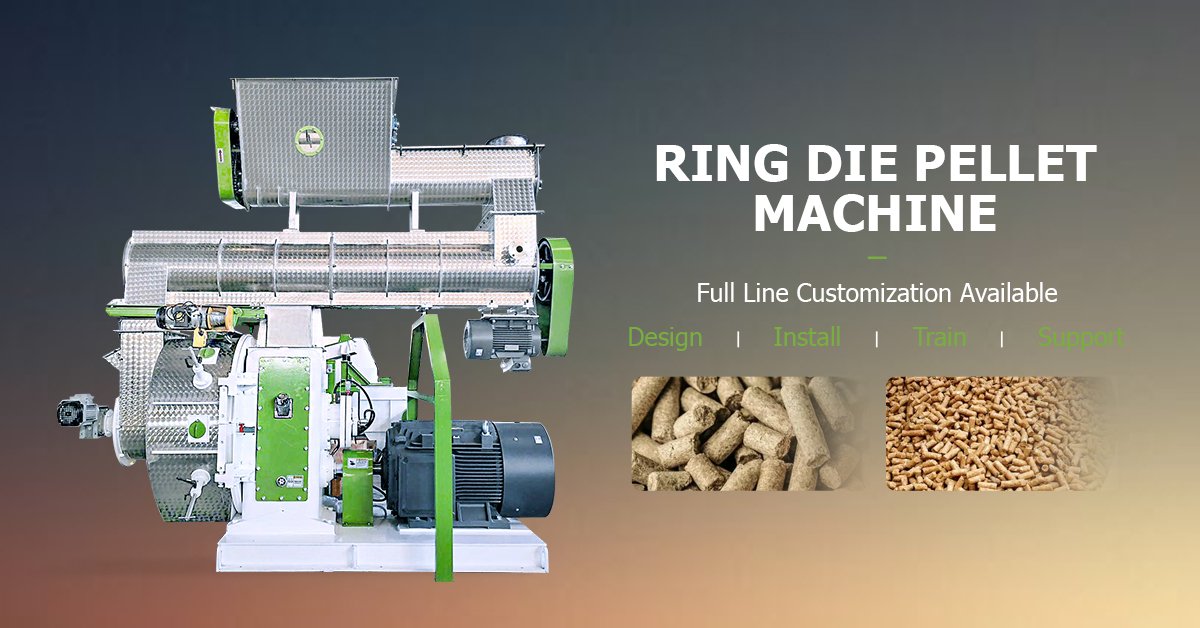
After preparation, the material enters the pellet machine. Inside the pressing chamber, rollers compress the prepared fibers through die holes.
Pressure and friction generate the conditions needed to form dense pellets. The cutter then determines the approximate length of the discharged product.
The exact die and machine configuration should be selected according to the material, required pellet diameter, and production target.
Cooling and Product Handling
Fresh pellets are hot and relatively soft. They normally need cooling before they can be stored or transported safely.
Cooling also helps stabilize the physical condition of the pellets. Screening may then be used to separate excessive fines and return suitable material to the process where appropriate.
Commercial products may subsequently be packaged into bags or handled in bulk, depending on the customer and distribution model.
This complete process is why the pellet mill should be evaluated as part of the production line rather than independently.
When Other Biomass Equipment Is Relevant
Agricultural residue processing and wood pellet production share some basic pelletizing principles, but the raw materials are not identical.
A wood pellet mill, for example, is typically selected for wood-based feedstock and its specific preparation characteristics. Corn stalk projects need equipment configurations suited to high-fiber agricultural residues.
The important lesson is that the material should determine the equipment rather than choosing equipment first and expecting every feedstock to behave the same way.
Designing for Capacity
Production capacity influences every stage of the line. A small plant may require relatively simple storage and handling arrangements, while a larger facility needs higher-capacity conveyors, dryers, feeders, cooling systems, and packaging equipment.
If one stage is significantly slower than the others, it can become a bottleneck.
For example, a high-capacity pellet mill is of limited value if the drying system cannot prepare enough material to supply it. Similarly, sufficient pelletizing capacity does not solve a packaging bottleneck.
Product Quality Starts Upstream
Pellet quality is often discussed as though it depends entirely on the pellet mill. In reality, the condition of the material entering the machine is equally important.
Particle size, moisture, fiber composition, feeding stability, and pressure conditions all influence the final product.
Therefore, operators should monitor the complete process instead of attempting to solve every quality problem by adjusting the pellet mill alone.
For a broader technical article, readers can explore different stages of biomass pellet production and compare how feedstock characteristics affect equipment selection.
Creating a Balanced Production System
A successful straw pellet plant is essentially a coordinated material-handling system. Each stage needs to support the next stage without creating unnecessary delays.
The best configuration depends on the raw material, production target, finished-product requirements, local energy conditions, and available investment.
When these factors are considered together, corn stalk pellet production can provide an efficient route for turning agricultural residues into a standardized and more valuable biomass product.
view details: https://www.richimanufacture.com/corn-stalk-pellet-machine/