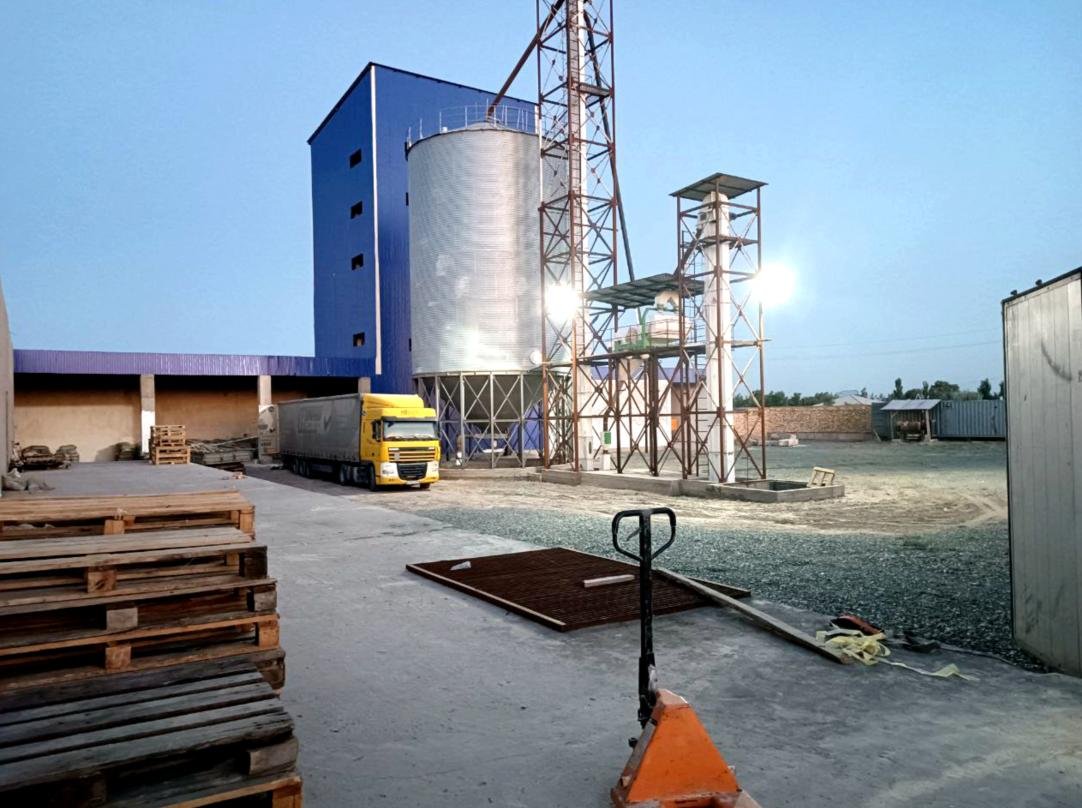




A rice straw pellet mill project is successful only when the plant can turn a seasonal, bulky and variable residue into a product that customers can use consistently. Rice straw is light, fibrous and often collected with soil or other field impurities. It may also arrive at different moisture levels depending on harvest timing, baling, storage and weather. The project therefore needs a coordinated plan for receiving, preparation, feeding, pelletizing and downstream handling—not just a press selected from a capacity table.
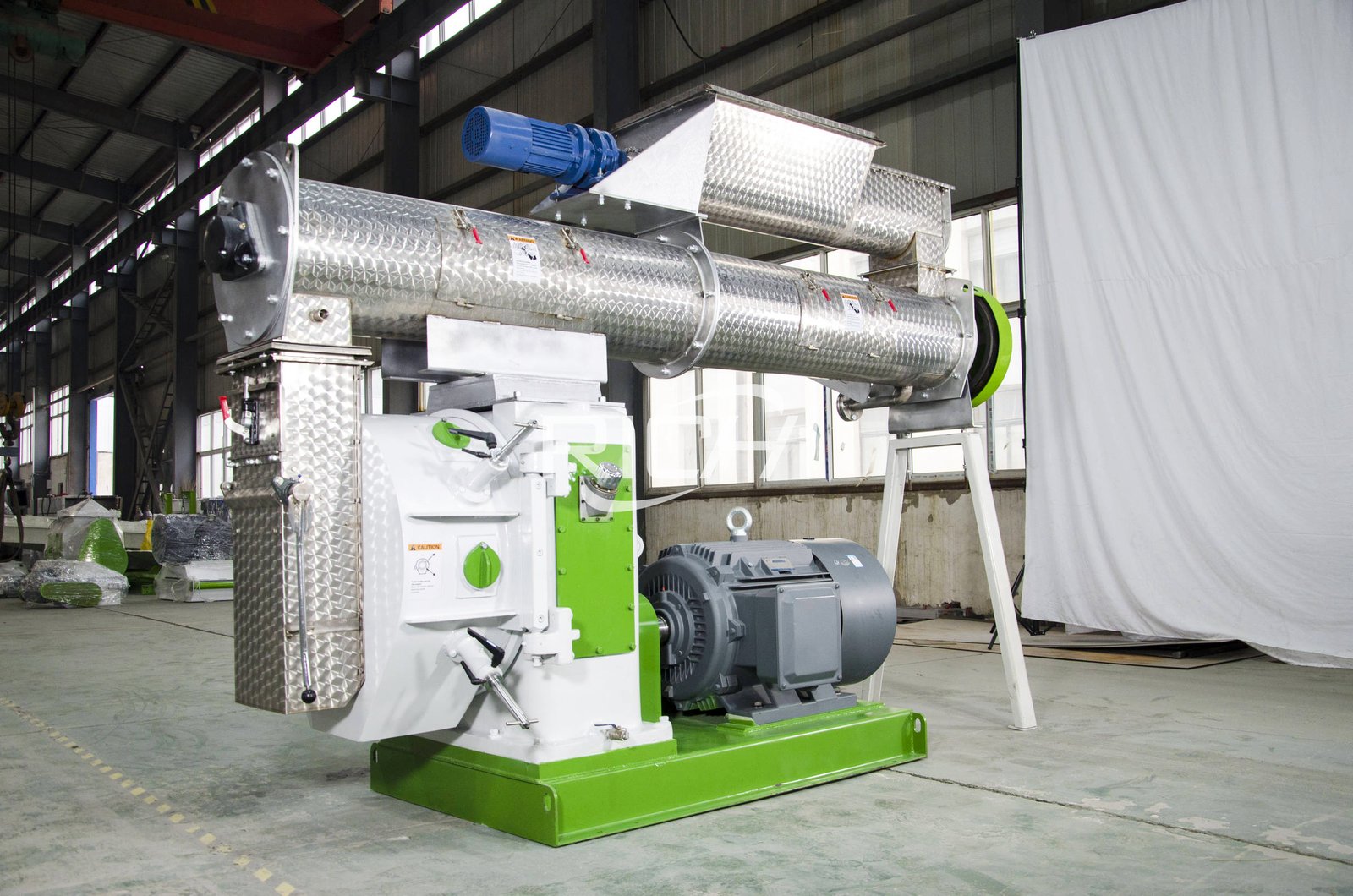
The RICHI rice straw pellet mill range is presented for biomass fuel, ruminant feed, animal bedding and organic fertilizer applications. The published model table lists MZLH320 through MZLH768 with reference output from 0.2–0.3 t/h to 3–4 t/h, and finished pellet diameters of 4–12 mm. The page notes that output depends on raw material and moisture under rated working conditions. These values are useful for preliminary screening, but a project design must confirm the actual straw condition, product route and complete-line balance.
Start With the Collection and Storage System
Rice straw is generated over a harvest window, while a pellet plant may be expected to operate for much longer. The first project calculation should compare the usable annual straw supply with the planned operating hours and net consumption rate. Do not equate the amount of straw visible in fields with material available at the factory gate. Collection losses, field residue left behind, soil contamination, transport losses and rejection during cleaning all reduce usable tonnage.
Map the supply area, harvest calendar, collection contractors, bale format, transport distance and delivery schedule. Estimate the daily receiving rate during peak collection and the inventory needed to bridge periods when new straw is unavailable. If the plant will purchase from several farmers or cooperatives, establish incoming inspection rules and a simple batch record covering source, date, moisture, visible contamination and accepted weight.
Storage is a process stage, not merely a warehouse issue. Straw should be protected from rain and ground moisture, with drainage and access for loaders, fire response and stock rotation. Separate visibly wet or contaminated lots rather than blending them into the main inventory. A first-in, first-out routine helps reduce prolonged storage and makes it easier to trace changes in pellet quality to a particular raw-material batch.

Design the Receiving and Preparation Route Around Straw Behavior
Baled straw, loose straw and pre-chopped straw behave differently. Bales need a controlled opening and metering arrangement; loose straw may require a receiving hopper that prevents bridging; long fibers can wrap around shafts or obstruct transfer points. The plant layout should identify where bales are opened, where foreign matter is removed, how the straw is conveyed and where operators can safely clear a blockage after isolation.
RICHI’s rice straw process reference describes crushing to approximately 3–5 mm before pelleting. This is a reference for the described process, not a universal screen setting for every straw source. The appropriate size distribution should be confirmed against the actual press, die, pellet diameter and fiber characteristics. Excessively coarse material may feed irregularly or resist compaction, while unnecessary fine grinding can increase power demand, dust and handling losses.
Cleaning should be selected from the expected impurity profile. Field-collected straw can contain soil, sand, stones, wire or other foreign matter. Screening and magnetic separation may be needed at different points, but each device has a defined removal range and should not be treated as a universal separator. Provide inspection access and a safe method for removing collected contaminants without interrupting the entire line for extended periods.
Treat Moisture Control as a Production Variable
Freshly harvested rice straw can carry moisture that is unsuitable for stable pelleting. The RICHI page describes a process reference of 12%–18% moisture before pelleting. The actual operating window must be verified with the buyer’s straw, formulation, die and product requirement. Measure moisture at receiving and after drying rather than relying on visual appearance or a single supplier estimate.
Dryer selection should follow the water-removal duty: wet feed rate, incoming moisture, target moisture and the basis used for the moisture measurements. The difference between incoming wet mass and final dried mass indicates the water that must be removed. Thermal efficiency, heat source, residence time, airflow and seasonal conditions then influence the equipment configuration and operating cost.
A dryer cannot compensate for unstable feeding. If the straw enters in surges, residence time and outlet moisture may vary even when the average dryer capacity appears adequate. A metering conveyor, buffer arrangement and moisture sampling plan help stabilize the process. The project should also consider the heat source, exhaust route, dust collection, fire protection and access for cleaning before equipment foundations and ductwork are finalized.
Choose the Pelletizing Configuration for the Intended Product
The same rice straw can be directed to different markets, but the process is not identical for each. Fuel pellets are assessed by dimensions, durability, moisture, fines, ash and combustion suitability. Ruminant feed requires a suitable ration, ingredient proportions and nutritional review; rice straw alone should not be represented as a complete feed. Bedding buyers may focus on absorbency, dust and handling, while fertilizer applications require a suitable composted or blended material and appropriate product checks.
The RICHI machine page describes a double-roller arch-breaking feeder, a forced feeder and optimized pressure-roller grooves intended to grip loose straw and reduce slippage. It also describes an exhaust port to discharge vapor generated during compression. These features address known handling challenges, but commissioning still needs to verify feeding stability, die loading, chamber temperature and moisture behavior using representative straw.
The model table lists reference capacities by MZLH model, but the figures should not be read as a guarantee independent of material condition. A buyer should specify target hourly saleable output, pellet diameter, raw material moisture, particle size and operating schedule. The supplier should explain which figure refers to the press or the complete line, what assumptions are included and which upstream or downstream machines are required to achieve the target.
Balance Cooling, Screening and Product Dispatch
Pellets leaving the press are hot and can be soft. Cooling helps stabilize them before conveying, screening and storage. The cooler must match the actual discharge rate and pellet dimensions, and the layout should minimize unnecessary drops that create breakage. Screening separates fines and irregular pellets; if fines are recycled, the return point and recycle load should be defined so that the system does not become overloaded.
Packaging and dispatch depend on the product market. Fuel pellets may be bagged or loaded in bulk, while bedding and feed may need different bag sizes and storage controls. Confirm weighing accuracy, packing rate, dust extraction, palletizing method and finished-product warehouse capacity. A project should measure saleable output after cooling and screening rather than relying only on the instantaneous rate at the pellet mill.
Prepare Utilities, Installation Interfaces and Acceptance Conditions
The electrical load schedule should include the crusher, conveyors, feeder, pellet mill, dryer auxiliaries, fans, cooler, screen, dust collector and packaging equipment. Check starting methods, simultaneous loads, protection, cable sizing, earthing and control interfaces. The buyer and supplier should agree who provides the transformer, distribution panels, external conveyors, civil works, heat source, lifting equipment and field wiring.
Before delivery, verify foundations, floor levels, anchor positions, unloading routes, lifting access and storage areas against approved drawings. During installation, check alignment, anchoring, lubrication, guards, transfer chutes and motor rotation. Test emergency stops, interlocks and safe shutdown logic before material is introduced. Open safety or installation defects should be closed before commissioning proceeds.
The production trial should use rice straw representative of the buyer’s normal supply, not a specially selected dry and clean batch. Record source, moisture, particle size, cleaning results, feed rate, die specification, settings, pellet diameter, cooling conditions, fines and saleable output. Define the test period, sampling method and acceptance criteria in advance. If performance falls short, investigate the limiting stage and repeat the test under comparable conditions after corrective action.
Make the Project Scalable Without Overbuilding
A new plant may start with one product and later add bedding or feed applications. Reserve space for storage, additional cleaning, a second press or upgraded packing if the business case supports expansion, but do not purchase equipment for speculative future capacity. The first phase should be balanced around confirmed supply, product demand, utilities and the buyer’s investment plan.
A useful engineering brief includes harvest and supply data, raw-material samples, expected moisture range, net annual tonnage, target hourly output, pellet specification, operating hours, site layout, available power and heat source, storage plan and packaging method. These inputs allow the process to be designed around actual constraints rather than a generic line diagram.
Conclusion: Build the Project Around the Straw Supply
A rice straw pellet mill project depends on the whole chain: collection, protected storage, cleaning, size reduction, moisture control, stable feeding, pelletizing, cooling and dispatch. The published machine range provides a starting point for model selection, but the final capacity and configuration must be confirmed with the buyer’s own material and product requirements.
For equipment details, review the RICHI rice straw pellet mill range. Prepare representative straw samples, supply estimates, target pellet use and site information before finalizing the process and equipment scope.