


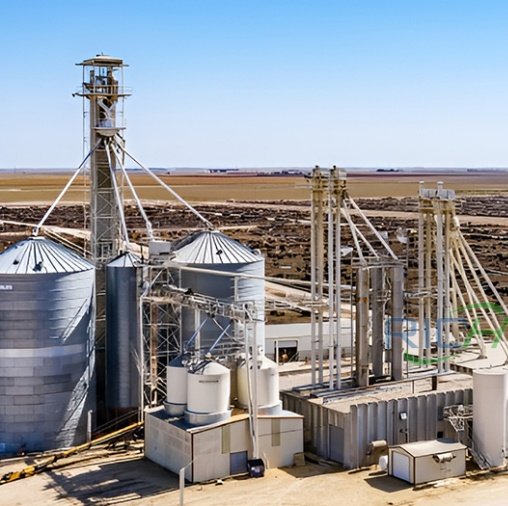
The global animal nutrition industry is changing rapidly. Feed producers are no longer satisfied with manufacturing only one product for a limited customer base. Instead, they are searching for smarter solutions that allow them to serve poultry farms, fish farms, and even livestock operations from a flexible and efficient production system.
Increasing feed demand, fluctuating raw material prices, and rising labor costs have forced manufacturers to rethink traditional factory models. Investors now prefer systems that maximize output while maintaining consistent quality.
Among the many solutions available today, a modern poultry feed production plant has become one of the most practical investments for companies looking for long-term growth.
Why Feed Demand Continues to Rise Worldwide
Population growth and improving living standards are increasing the consumption of poultry meat and eggs. At the same time, aquaculture has become one of the fastest-growing food sectors.
This trend creates strong demand for:
- Broiler feed
- Layer feed
- Duck feed
- Goose feed
- Fish feed
- Shrimp feed
Commercial farms require stable feed supplies with precise nutritional values. Consequently, feed manufacturers need reliable equipment capable of producing high-quality pellets consistently.
Modern factories are designed not only for high productivity but also for flexibility and future expansion.
From Traditional Mills to Integrated Production Systems
Several years ago, many feed plants operated with simple machinery and manual control. Production efficiency was often low, and product quality varied considerably.
Today, advanced automation allows manufacturers to:
- Monitor production in real time.
- Reduce labor requirements.
- Improve feed quality.
- Increase production capacity.
- Lower operating costs.
Intelligent control systems have made feed production more precise and efficient.
These improvements help manufacturers remain competitive in rapidly changing markets.
Understanding the Main Production Process
Raw Material Storage
Corn, soybean meal, wheat bran, and premixes are stored separately to ensure quality.
Grinding
Particle size affects digestibility and pellet quality. A hammer mill reduces materials to suitable dimensions.
Mixing
Uniform mixing guarantees balanced nutrients.
Conditioning
Steam treatment improves starch gelatinization and enhances pellet strength.
Pelleting
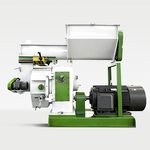
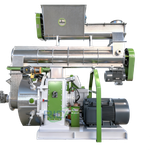
The pellet mill compresses mixed ingredients into uniform pellets.
Cooling and Screening
Cooling removes excess moisture, while screening eliminates dust and broken particles.
Packing
Automatic weighing and packaging systems improve efficiency and reduce labor costs.
Capacity Planning Is the Key to Profitability
Choosing the correct production capacity is essential.
Small Scale Systems
1–2 tons per hour
Suitable for family farms and local distributors.
Medium Scale Systems
3–10 tons per hour
Ideal for regional feed suppliers.
Large Scale Systems
10–40 tons per hour
Designed for industrial feed manufacturers.
Selecting the right capacity prevents unnecessary investment and allows businesses to achieve faster returns.
Why Diversification Creates New Opportunities
Market conditions change constantly.
A factory that only produces poultry feed may miss opportunities in aquaculture or livestock sectors.
Many investors now choose integrated facilities capable of producing different products. By adding a fish feed extruder pellet machine, manufacturers can enter the rapidly expanding fish farming industry.
This strategy helps companies:
- Increase revenue streams.
- Reduce market risks.
- Improve equipment utilization.
- Expand customer bases.
Diversification has become an important competitive advantage.
Raw Materials Affect Product Quality
High-quality feed begins with quality ingredients.
Common raw materials include:
- Corn
- Soybean meal
- Wheat bran
- Rice bran
- Cottonseed meal
- Fish meal
- Sunflower meal
- Vitamins
- Mineral premixes
Proper formulas depend on species, growth stages, and nutritional requirements.
Maintaining consistent raw material quality is one of the foundations of successful feed production.
How Automation Reduces Operating Costs
Labor shortages and rising wages have increased interest in automation.
Automatic systems can perform:
- Material conveying.
- Batching.
- Mixing.
- Pelleting.
- Cooling.
- Packaging.
Benefits include:
Higher Accuracy
Computerized systems reduce human error.
Lower Labor Costs
Fewer operators are required.
Better Production Stability
Machines operate continuously with consistent performance.
Improved Traceability
Production data can be stored and analyzed for quality management.
Automation has become an important investment rather than an optional upgrade.
Environmental Protection Is Becoming More Important
Modern feed factories pay increasing attention to sustainability.
Popular environmental technologies include:
- Pulse dust collectors.
- Energy-efficient motors.
- Noise reduction systems.
- Waste recycling solutions.
These improvements not only protect the environment but also help companies comply with regulations.
Energy-saving technologies can significantly reduce long-term production costs.
What Should Investors Consider Before Buying Equipment?
Many buyers focus exclusively on machine prices. However, successful projects depend on much more than initial investment.
Important factors include:
Engineering Experience
Experienced suppliers understand different market requirements.
Equipment Quality
Reliable components increase service life.
Installation Support
Professional installation reduces startup problems.
Spare Parts Availability
Fast spare parts supply minimizes downtime.
Technical Training
Proper training improves operating efficiency.
Long-term service support often determines project success.
Why Turnkey Projects Are Gaining Popularity
Turnkey solutions simplify the entire investment process.
Professional suppliers can provide:
- Factory layout design.
- Equipment manufacturing.
- Installation guidance.
- Commissioning.
- Staff training.
- After-sales service.
This integrated approach reduces project risks and shortens construction time.
Companies seeking efficient solutions frequently cooperate with Richi Manufacturing, which offers customized engineering services for different capacities and feed formulations.
Future Technologies Are Changing Feed Manufacturing
Smart factories are becoming increasingly common.
Emerging technologies include:
Remote Monitoring
Operators can supervise equipment from anywhere.
Intelligent Maintenance
Sensors predict component wear before failures occur.
Data Analysis
Production data helps optimize formulas and improve efficiency.
Energy Management
Advanced software reduces electricity consumption.
Digital technologies are transforming feed manufacturing into a more intelligent industry.
Common Mistakes Made by New Investors
Choosing Oversized Capacity
Large systems require higher investment and longer payback periods.
Ignoring Raw Material Supply
Stable ingredient sources are essential.
Purchasing Low-Quality Equipment
Cheap machines often result in high maintenance costs.
Lack of Technical Support
Insufficient training leads to lower productivity.
Avoiding these mistakes can significantly improve profitability.
Why Feed Manufacturing Remains a Promising Industry
Global demand for animal protein continues to increase.
Growing populations, urbanization, and higher living standards create strong opportunities for feed producers.
Modern production systems allow companies to respond quickly to market changes while maintaining product quality and reducing costs.
A well-designed poultry feed production plant provides flexibility, efficiency, and sustainable growth potential. Combined with diversification strategies and reliable engineering support, feed manufacturers can establish strong positions in increasingly competitive markets.
For those evaluating feed industry opportunities and equipment options, you can always blog here to explore additional insights, project experiences, and technical recommendations that support smarter investment decisions.
Related Post:https://pelletizerequipment.com/animal-feed-production-line/