
Every poultry farmer eventually reaches the same crossroads. Feed costs are climbing. Quality from commercial suppliers is inconsistent. And the margins on birds are getting tighter every year. The solution seems straightforward: produce your own feed on-site. But when you start looking at equipment, the question becomes more complicated. Prices range from a few thousand dollars to well over a hundred thousand. The options are bewildering. And the sales pitches don’t always make the decision easier.
Understanding the real cost of producing poultry feed requires looking beyond the price tag on a machine. The initial purchase price is just one component of the total cost of ownership. The operational costs—electricity, maintenance, labor—matter just as much. And the quality of the equipment directly affects the quality of the feed and, ultimately, the performance of the birds. A machine that’s cheaper upfront may cost more over its lifetime.
What Affects the Price of a Feed Pellet Machine?
The poultry feed pellet machine price varies widely depending on several factors. The first and most obvious is capacity. A machine that produces 100 kilograms per hour is going to cost less than a machine that produces 1,000 kilograms per hour. But the relationship between capacity and price isn’t always linear. Larger machines often have a lower cost per unit of capacity.
The configuration of the machine matters. A basic machine with manual controls costs less than a machine with automated controls. A flat-die design is generally less expensive than a ring-die design. But the flat-die may have lower throughput and higher maintenance costs over time.
The materials used in construction affect the price. A machine built with standard steel components will cost less than one built with wear-resistant alloys. But the standard steel will wear faster, requiring more frequent replacement of dies and rollers. The initial savings may be offset by higher long-term costs.
The country of manufacture affects the price as well. Machines built in countries with lower labor costs and less stringent environmental regulations may have lower initial prices. But they may not have the same level of quality control or after-sales support.
The Components That Matter
When evaluating the price of a poultry feed pellet machine, it’s important to understand the components that affect its performance and durability.
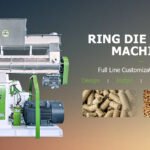
The die is the most critical component. It’s a metal ring with precision-drilled holes. The material must be forced through these holes to form pellets. The die must be made from a wear-resistant alloy to withstand the abrasive nature of the feed. The quality of the die affects both the pellet quality and the service life of the machine.
The rollers are the other critical component. They press the material against the die surface. The rollers must be precisely fitted to the die. The bearings must be sealed to prevent contamination. The quality of the rollers affects the efficiency of the compression process.
The motor provides the power for the compression process. The motor must be sized for the load. A motor that’s too small will struggle to maintain production. A motor that’s too large will waste energy. The efficiency of the motor affects the operating cost.
The control system manages the operation. A basic control system may require manual adjustment of parameters. An advanced control system may monitor temperature, pressure, and feed rate automatically. The control system affects the consistency of the pellet quality and the ease of operation.
Understanding the Durability Question
When farmers ask about a durable feed pellet machine for sale, they’re asking about more than just a machine that lasts. They’re asking about a machine that maintains consistent performance over time. A machine that produces good pellets today but produces poor pellets after six months is not durable in the practical sense.
Durability in a pellet machine starts with the design. The machine should be built for the specific application. Poultry feed has different characteristics than feed for other species. The machine must be designed to handle the fat content, the particle size, and the binding characteristics of poultry feed.
Durability also depends on the materials used. The die and rollers must be made from wear-resistant alloys. The bearings must be sealed against contamination. The motor must be capable of handling the load.
Durability depends on the maintenance practices. A machine that’s properly maintained will last longer than one that’s neglected. Regular lubrication, timely replacement of wear parts, and proper cleaning all extend the service life.
The manufacturer’s reputation is another factor. A manufacturer with a track record of producing reliable equipment is more likely to deliver a durable product than one with a shorter history. The feedback from other users is valuable when assessing durability.
The Pelletizing Process and Its Impact on Equipment
The pelletizing process for poultry feed involves several stages: grinding, mixing, conditioning, and pelleting. Each stage places demands on the equipment.
The grinding stage determines the particle size. For poultry feed, the particle size must be consistent but not too fine. If the particle size varies, the pellets will be inconsistent. The grinding equipment must be capable of producing a consistent grind.
The mixing stage blends the ingredients. The mixing must be thorough to ensure that every pellet contains the correct nutritional balance. The mixer must be capable of handling the volume and the characteristics of the ingredients.
The conditioning stage adds steam to soften the material. The conditioning system must be capable of providing the correct temperature and moisture. The conditioning affects the pellet quality and the durability of the finished pellets.
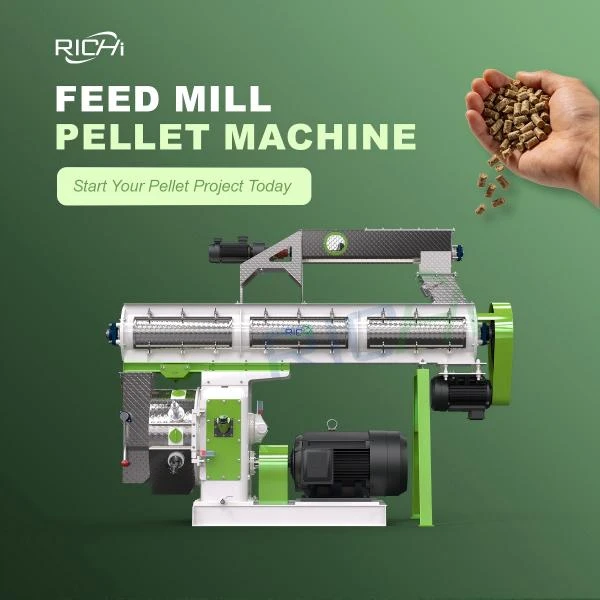
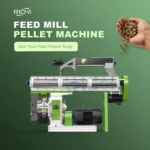
The pelleting stage compresses the material. The Richi Pellet Machine is designed for this specific application, with die and roller configurations that are matched to poultry feed. The robust construction ensures consistent performance over the life of the machine.
The Decision-Making Process
Selecting a poultry feed pellet machine involves comparing several factors. The first is the required capacity. The machine must be able to produce enough feed for the flock. Under-sizing the machine will create bottlenecks; over-sizing will increase costs unnecessarily.
The second factor is the level of automation. A manually operated machine requires more attention from the operator. An automated machine reduces the labor required but costs more initially. The right balance depends on the operation’s size and the availability of skilled labor.
The third factor is the availability of spare parts. The machine will need maintenance over time, and the replacement parts must be available. A machine from a manufacturer with a local parts supply is more practical than one requiring long lead times for parts.
The fourth factor is the manufacturer’s technical support. The operation of a pellet mill requires some expertise. A manufacturer that provides training and ongoing support reduces the learning curve and helps prevent problems.
The fifth factor is the total cost of ownership. The initial purchase price is only part of the calculation. The operating costs, maintenance costs, and the cost of downtime all contribute to the total cost. A machine that costs more upfront but has lower operating costs may be more economical over the long term.
The Operating Costs
The operating costs of a poultry feed pellet machine include electricity, labor, maintenance, and wear parts. Each contributes to the total cost of production.
Electricity is a significant cost. The motor and the control system consume power. The energy efficiency of the machine affects the cost per ton of feed produced. A machine with a more efficient motor or a better control system may have lower electricity costs.
Labor costs depend on the level of automation. A manual machine requires more operator time than an automated machine. The cost of labor should be included in the economic analysis.
Maintenance costs include lubrication, cleaning, and replacement of wear parts. The frequency of maintenance depends on the machine design and the operating conditions. A machine with sealed bearings and easy access to wear parts will have lower maintenance costs.
Wear parts include the die and rollers. These components will need to be replaced periodically. The cost of replacement and the frequency of replacement affect the total cost. A machine that uses standard wear parts may have lower replacement costs than one with proprietary parts.
Evaluating the Manufacturer
The manufacturer of the equipment affects the long-term value of the investment. A Richi Pellet Machine from a manufacturer with a proven track record is likely to provide reliable service.
The reputation of the manufacturer can be assessed through user feedback and industry references. A manufacturer with a history of producing durable equipment and providing responsive support is a safer choice than one without such a history.
The manufacturer’s willingness to provide training and support is another indicator of their commitment to the customer. A manufacturer who offers installation support, operator training, and ongoing technical assistance is investing in the customer’s success.
A Practical Perspective
For poultry farmers considering the investment in a feed pellet machine, the decision ultimately comes down to a calculation. The cost of the equipment must be balanced against the savings from producing feed on-site. The quality of the equipment affects the quality of the feed, which affects the performance of the birds. The durability of the equipment affects the total cost of ownership.
The initial purchase price is important, but it’s not the only factor. A machine that costs less initially may have higher operating costs or a shorter service life. The total cost of ownership is a better measure of the value.
Investing in a durable feed pellet machine for sale with a proven track record and reliable support can be a sound decision for poultry operations seeking to control feed costs and improve performance. The technology is mature, and the equipment is available. For more detailed information on specifications and configurations, consider consulting with equipment suppliers who can provide guidance based on your specific requirements.
Related post:https://pelletizerextruder.com/poultry-feed-pellet-making-machine/