




In modern feed manufacturing, producing pellets with the correct shape and size is only part of the process. For many feed products, especially aquatic feed, the nutritional composition and physical properties of the finished pellets are equally important. Oil, fat, liquid nutrients, attractants, vitamins and other functional ingredients may need to be added after or during pellet production. This is where an oil spraying machine becomes an important part of a complete feed processing system.
Unlike manual liquid addition, an automated spraying system can distribute a controlled amount of oil over a continuous flow of pellets. The purpose is not simply to add oil. A well-designed system must control dosage, distribution, mixing time, temperature and contact between the liquid and pellets.
For feed manufacturers planning to expand production, understanding how liquid spraying fits into the overall process can help avoid equipment mismatches and unnecessary operating problems.
Why Is Oil Addition More Difficult Than It Looks?
At first glance, adding oil to feed seems simple. A tank, pump and nozzle may appear sufficient. However, commercial production involves much more complicated requirements.
Feed pellets move continuously through processing equipment. If oil is added too quickly, certain pellets may receive excessive liquid while others remain relatively dry. This can create differences in surface appearance, nutritional distribution and pellet handling characteristics.
The situation becomes more demanding when the feed contains a relatively high proportion of liquid ingredients.
Aquatic feed is a good example. Floating fish feed and shrimp feed often require carefully controlled formulations. Depending on the formulation, manufacturers may use fish oil, vegetable oil, animal fat or other liquid ingredients. These materials can affect pellet density, water stability, palatability and downstream processing.
Therefore, liquid application should be considered as a controlled process rather than simply a feeding operation.
Where Does an Oil Spraying System Fit Into a Feed Plant?
The exact position depends on the product formulation and production technology.
In a conventional feed process, raw materials may first pass through grinding, batching, mixing, conditioning and pelletizing. After pellet formation, cooling and screening are commonly required. Oil may be introduced at different stages depending on the formulation.
For some products, liquid ingredients can be introduced into the mixer or conditioner. This approach works when the formulation allows sufficient absorption before pelletizing.
For other products, particularly when additional oil is required without excessively affecting pellet formation, post-pellet spraying can be more suitable.
A typical process can therefore include:
Raw material preparation → grinding → batching → mixing → conditioning → pelletizing → cooling → oil application → screening → packing
The actual sequence should be determined according to the feed formula, target moisture, pellet size and desired oil content.
What Liquids Can Be Applied?
Oil is only one category of liquid material used in modern feed production.
Depending on the application, a spraying system may be designed for:
- Fish oil
- Vegetable oil
- Animal fat
- Liquid attractants
- Nutritional additives
- Flavoring materials
- Certain vitamin or functional liquid preparations
- Other formulation-specific liquids
Different liquids have different viscosity and temperature requirements. This means that the spraying system should not be selected simply according to production capacity.
For example, a liquid with higher viscosity may require a different pump arrangement or heating system from a low-viscosity vegetable oil.
The storage tank, pipeline, pump, nozzle and control system should therefore be considered as one integrated unit.
Why Uniform Spraying Matters for Aquatic Feed
Aquatic feed is especially sensitive to physical consistency.
Fish and shrimp feed must often maintain specific characteristics during transportation, feeding and contact with water. Uneven liquid application can lead to differences between individual pellets.
One pellet may contain more surface oil while another receives much less. Such variation can make quality control more difficult.
Uniform spraying helps manufacturers maintain a more consistent production process.
The objective is not necessarily to maximize the amount of oil added. Instead, the system should deliver the required amount accurately and distribute it evenly across the pellet flow.
This is particularly relevant for factories producing several feed formulations on the same production line.
Paddle, Drum or Vacuum Spraying?
Different spraying technologies are suitable for different production requirements.
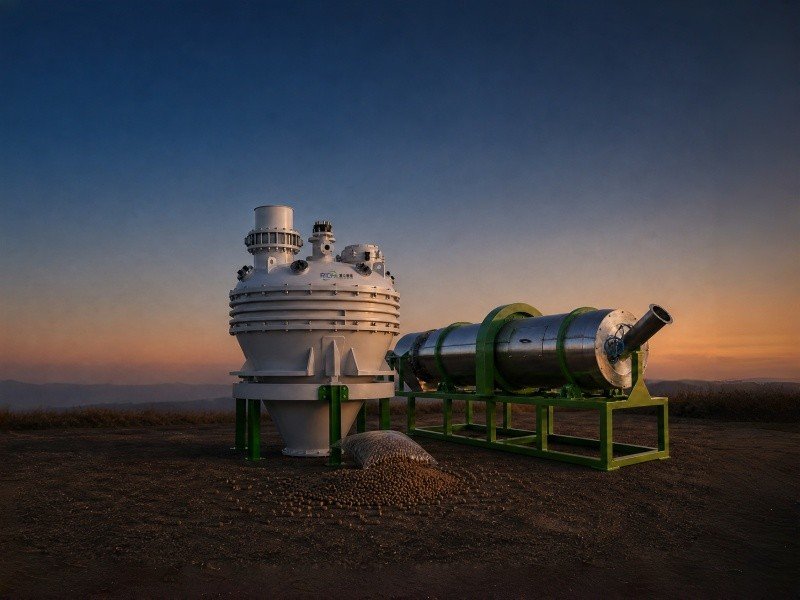
A paddle-type system can provide intensive contact between pellets and liquid ingredients. The internal mixing action helps distribute liquid across the material.
A drum-type system uses controlled rotation to create continuous movement while spraying. It can be suitable for continuous feed production where gentle and consistent coating is required.
Vacuum spraying technology works differently. By reducing the pressure around the pellets, liquid can penetrate more effectively into pores and internal spaces. This can be useful when the formulation requires more than simple surface coating.
The correct technology depends on the desired oil content, pellet structure, production capacity and product characteristics.
There is no single spraying method that is ideal for every feed factory.
How Should Capacity Be Matched?
Capacity matching is another important consideration.
A spraying machine installed in a small feed line should not be selected only because its maximum capacity looks attractive. The practical operating range matters more.
For example, a machine operating at a stable rate close to the actual production requirement may provide better control than an oversized system running far below its intended range.
When selecting equipment, manufacturers should consider:
- Actual pellet production rate
- Minimum and maximum operating capacity
- Oil addition percentage
- Pellet diameter
- Pellet temperature
- Liquid viscosity
- Required coating uniformity
- Whether different formulations will be processed
- Available installation space
- Automation requirements
These parameters provide a much better basis for equipment selection than capacity alone.
What Should Be Included in a Complete Spraying System?
A commercial system normally includes more than the spraying chamber itself.
A practical configuration may contain a liquid storage tank, pump, pipeline, filter, flow-control components, spraying nozzles and an electrical control system.
For certain liquids, a heating device may also be required to maintain suitable viscosity.
The control system can be configured to coordinate liquid flow with pellet throughput. This is particularly useful when the feed factory produces several products with different formulations.
Instead of manually adjusting the system every time the formula changes, operators can use controlled parameters for repeatable production.
What Happens If the Pellets Are Too Hot?
Temperature is an often-overlooked factor.
Freshly produced pellets may still contain considerable heat after conditioning and pelletizing. Depending on the formulation, spraying oil onto excessively hot pellets can influence liquid behavior.
A cooling stage is therefore important in many production configurations.
Cooling can help stabilize pellet temperature before downstream coating and packaging. It also helps reduce the possibility of excessive condensation or unwanted changes in pellet properties.
The actual temperature target should be determined according to the feed formulation and liquid characteristics.
How Can an Oil Spraying System Reduce Manual Work?
Without an automated spraying system, operators may need to monitor liquid flow, manually adjust valves and repeatedly inspect the product.
This creates several potential problems.
First, manual adjustment is difficult to maintain consistently during long production runs. Second, changes in production speed can affect the amount of liquid applied. Third, manual operation can make it harder to reproduce the same formula on different production days.
An integrated control system can synchronize liquid application with production parameters.
This creates a more repeatable workflow and makes it easier for operators to monitor the process.
Is Oil Spraying Only Used for Fish Feed?
No.
Liquid application technology can be used in different feed manufacturing applications.
Depending on the process design, it may be used for poultry feed, livestock feed, pet food and various specialty feeds.
Aquatic feed, however, is one of the applications where controlled liquid addition can become particularly important because product formulation and pellet physical properties are closely connected.
For a factory producing several types of feed, a flexible spraying system can therefore provide value beyond one product category.
How Should a Feed Manufacturer Plan the Equipment?
The best approach is to start with the product rather than the machine.
A manufacturer should first identify:
- What type of feed will be produced?
- What raw materials are used?
- What is the target oil or liquid addition rate?
- What pellet size is required?
- What is the planned production capacity?
- Is coating required only on the surface?
- Is deeper liquid penetration necessary?
- How many formulations will be produced?
- Will the production capacity increase later?
Once these questions are answered, the equipment configuration becomes much clearer.
A feed factory planning a new production line should also consider future expansion. Selecting equipment only for today’s output can create limitations when production increases.
A Practical Approach to Feed Plant Integration
Liquid spraying should not be treated as an isolated piece of equipment.
Its performance is connected with the pellet mill, cooler, conveyor system, storage equipment and packaging process.
For example, if the pellet flow entering the spraying system is unstable, even a sophisticated spraying machine may not achieve consistent results.
Likewise, if pellets are not adequately cooled before oil application, the final product may not behave as expected.
This is why system-level engineering is often more important than simply selecting a machine model.
Manufacturers looking at complete feed projects can also compare different production configurations and equipment combinations. discover this info here can be used as an additional reference point when researching related processing technologies.
What Should Buyers Ask Before Ordering?
Before purchasing an oil application system, buyers should provide as much production information as possible.
Useful information includes the feed type, production capacity, pellet diameter, raw materials, oil type, oil percentage and expected operating schedule.
Photos or samples of existing pellets can also be useful when evaluating a retrofit project.
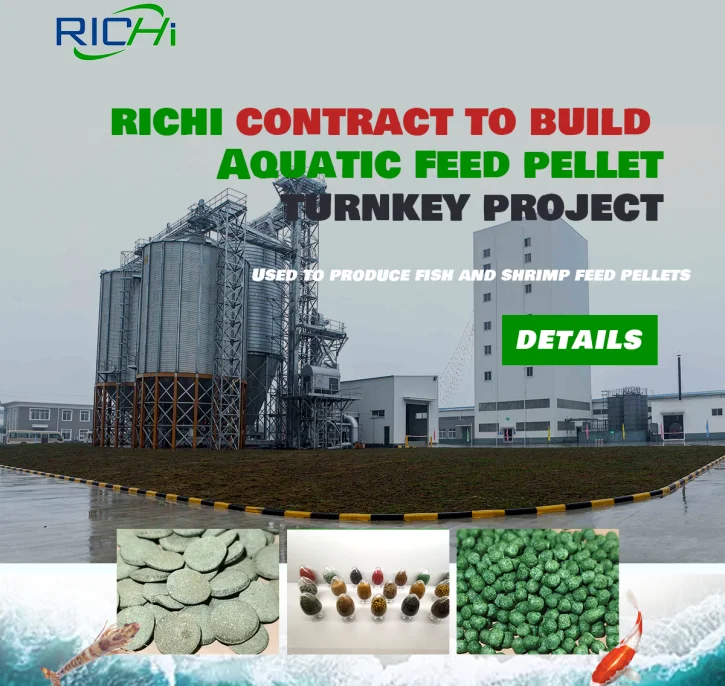
For a 0.2-20 T/H aquatic feed pellet plant solution, the supplier should understand the complete process instead of selecting the spraying machine independently.
This helps ensure that conveyors, coolers, pumps, tanks and controls are compatible.
Moving From Simple Coating to Controlled Production
The role of liquid spraying in feed production is gradually moving beyond basic coating.
Modern pellet line manufacturers increasingly expect equipment to provide repeatable dosing, easier operation and compatibility with automated production systems.
For a growing feed factory, this means that the spraying system should be considered part of the production strategy.
A well-matched system can support consistent liquid distribution, simplify operator control and provide greater flexibility when formulations change.
The key is to match the technology with the actual product and process requirements.
Instead of asking only, “How much does an oil spraying machine cost?”, buyers can ask a more useful question: “What spraying configuration will reliably deliver the liquid application required by my feed formula and production capacity?”
That question provides a much stronger starting point for equipment selection.