




Introduction: The Shift Toward Commercial Poultry Feed Systems
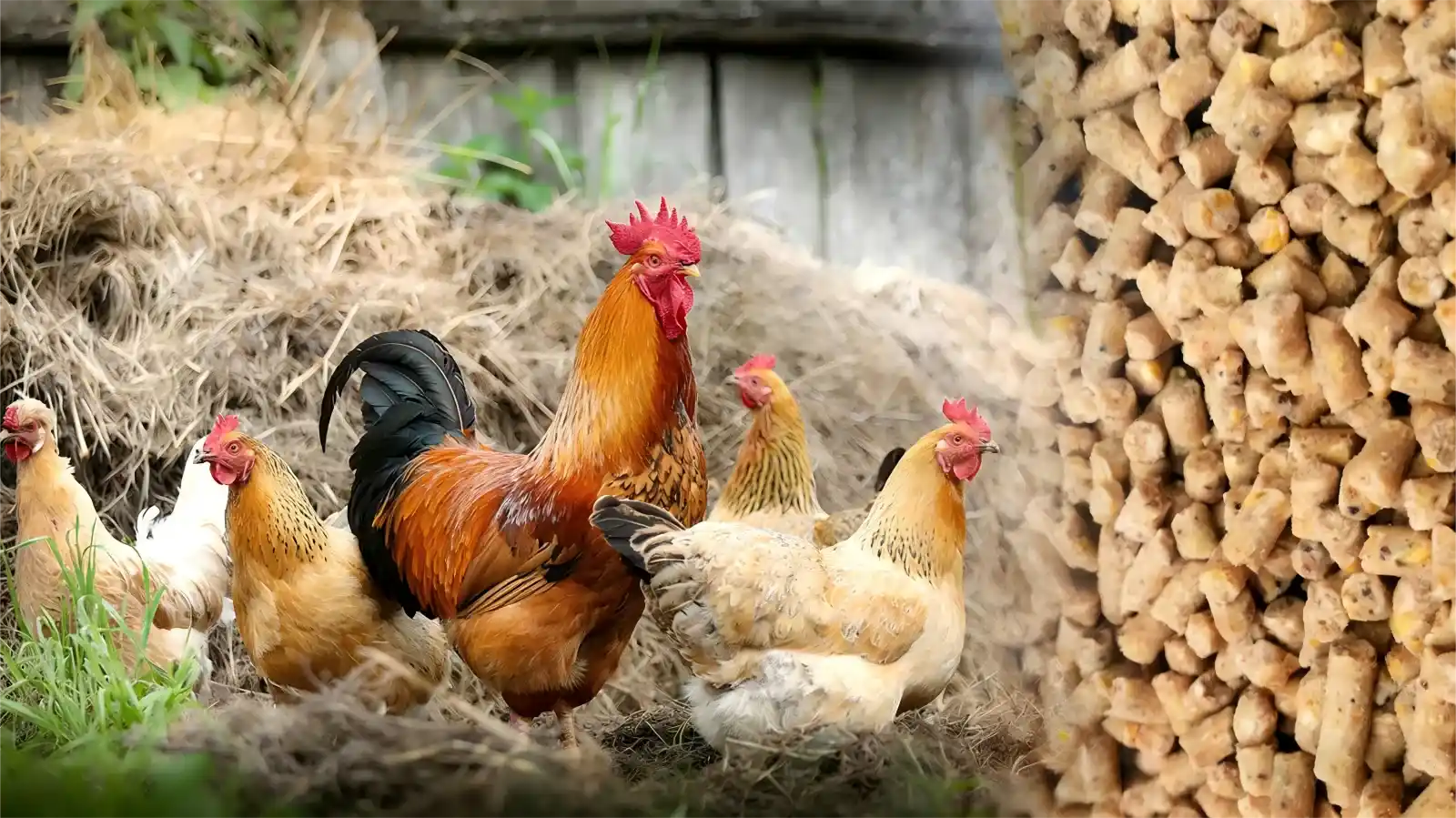
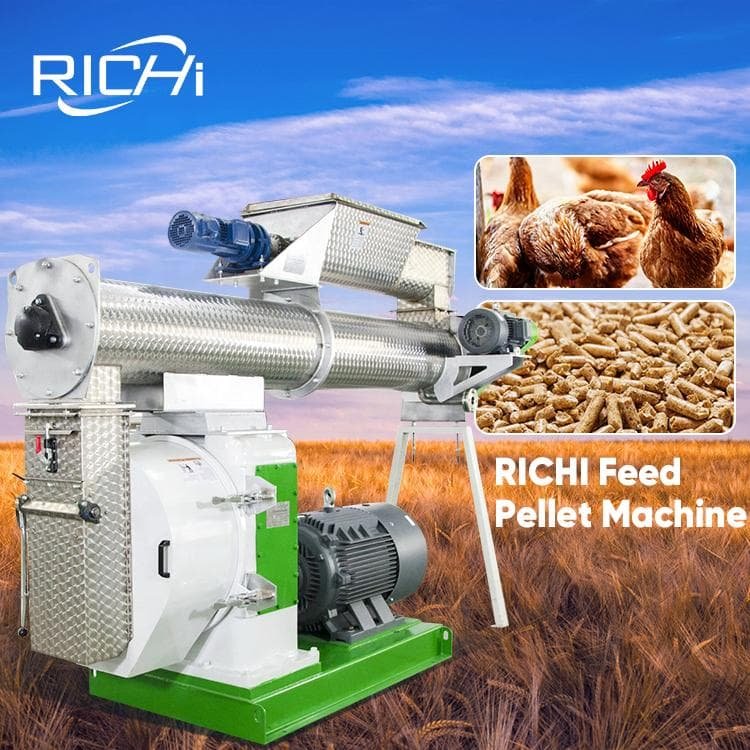
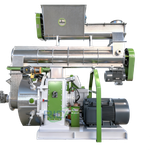
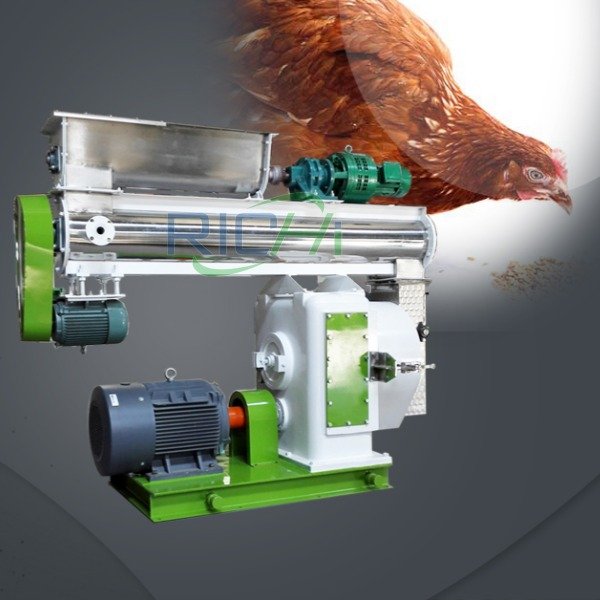
Poultry farming has rapidly evolved from small household operations to large-scale commercial production systems. With this transformation, feed quality and efficiency have become critical factors influencing profitability. A chicken feed pellet machine for sale provides farmers and feed processors with a reliable solution to produce uniform, nutrient-balanced pellets that improve poultry growth performance.
Unlike traditional mash feed, pellet feed reduces waste, prevents selective feeding, and ensures consistent nutrient intake. This makes pelletizing technology an essential part of modern poultry farming strategies, especially in high-density production environments.
Role of Pellet Machines in Modern Livestock Systems
Although chicken feed production is highly specialized, many farms operate multi-species systems that include poultry, sheep, rabbits, and other livestock. In such cases, production flexibility becomes a key requirement. A livestock feed pellet machine allows farmers to process different feed formulas using the same system by adjusting die specifications and raw material preparation methods.
This flexibility not only reduces equipment investment costs but also improves operational efficiency. Farmers can switch between different feed types depending on seasonal demand or farm expansion plans, making pellet systems highly adaptable in diversified agricultural environments.
Multi-Species Production Capability in Modern Farms
In many integrated farms, poultry production is combined with small ruminant farming such as sheep and rabbits. To support this structure, advanced machines like the sheep pellet making machine are used alongside poultry feed systems. This allows farmers to produce multiple types of feed using one coordinated production line.
For example, chicken feed requires balanced protein and energy content with moderate hardness, while rabbit feed needs higher fiber content and finer texture. Sheep feed, on the other hand, demands rougher fiber structure for proper digestion. A well-configured system ensures each feed type is produced efficiently without compromising quality.
Key Advantages of Chicken Feed Pellet Production
One of the main advantages of pelletized chicken feed is improved feed conversion efficiency. Birds consume pellets more evenly compared to mash feed, which reduces selective eating and improves overall nutrient absorption. This leads to faster growth rates and better production performance.
Another important benefit is feed hygiene. Pellets are less prone to contamination and moisture absorption, making them safer for long-term storage. This is especially important for large-scale poultry farms that require bulk feed storage and transportation.
In addition, modern pellet machines are designed for continuous operation with high stability. This ensures consistent output even during peak production periods, helping farms maintain stable supply chains.
Manufacturer Support and Global Supply Network
Choosing the right supplier plays a crucial role in ensuring long-term equipment performance. A reliable manufacturer provides not only durable machinery but also technical guidance and after-sales service.
One recognized name in the industry is Richi Machinery. Richi Machinery specializes in designing and manufacturing complete feed production solutions for poultry and livestock industries. Their systems are engineered for high efficiency, durability, and adaptability to different raw materials, ensuring stable production performance in diverse farming environments.
Installation Considerations and Site Planning
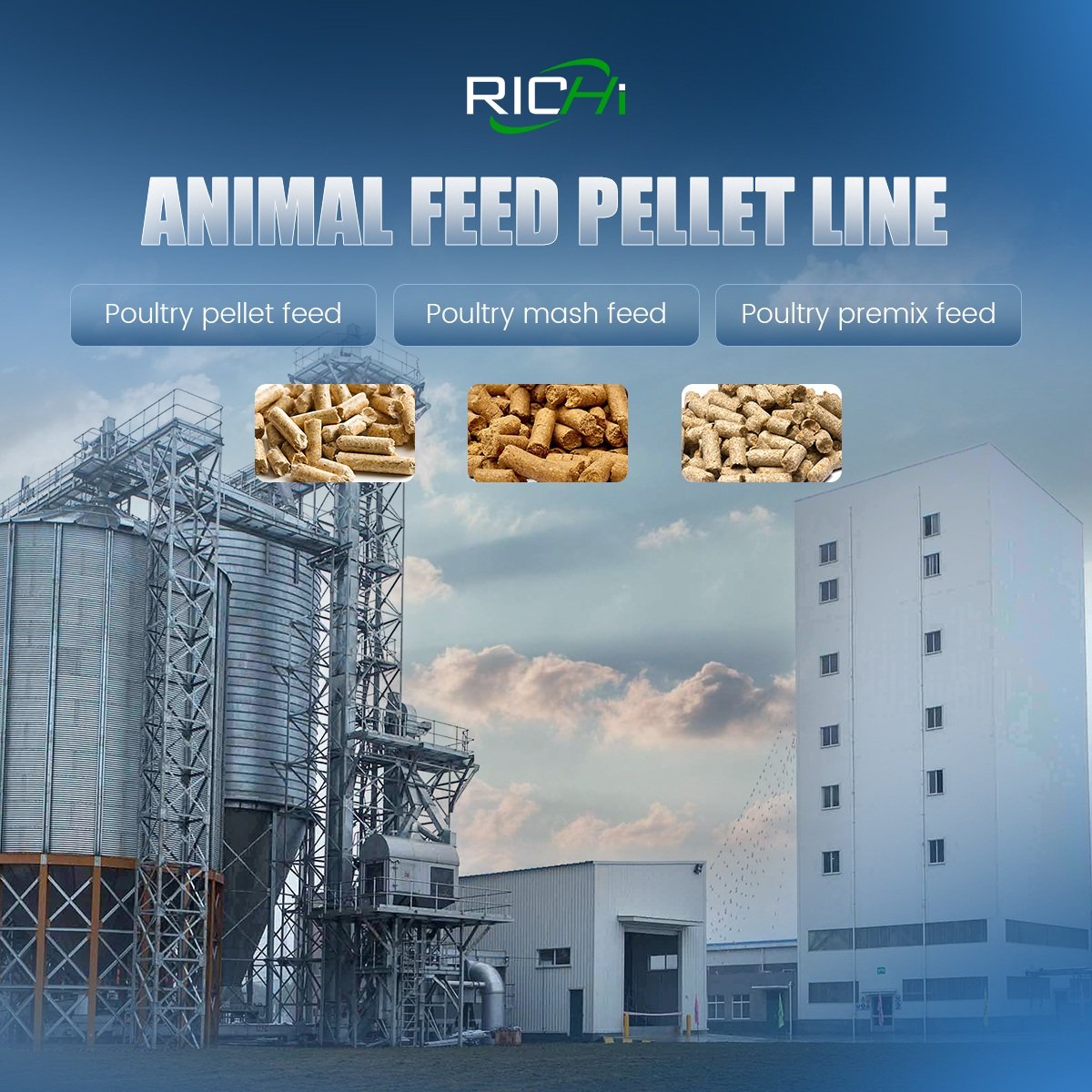
Before installing a pellet production system, proper planning of the facility layout is essential. The installation area must support raw material storage, crushing, mixing, pelletizing, cooling, and packaging processes. Technical guidance from suppliers often includes layout design and capacity planning to optimize workflow efficiency.
For detailed technical consultation, equipment configuration, and production planning support, customers are advised to contact suppliers directly through official communication channels or visit the company address provided on their website. This ensures accurate project evaluation and customized system design based on specific farm requirements.
Conclusion: A Strategic Upgrade for Poultry Farming
The poultry industry continues to shift toward automation, efficiency, and precision feeding systems. Investing in a chicken feed pellet machine for sale is not only about improving feed quality but also about enhancing overall farm productivity and profitability.
When integrated with systems such as livestock feed pellet machine setups and multi-species solutions like sheep rabbit pellet making machine configurations, farmers can build a flexible and scalable production model. With the right equipment and professional support, modern poultry farming becomes more efficient, stable, and economically sustainable.