

What Determines the Price of a Wood Pellet Machine?
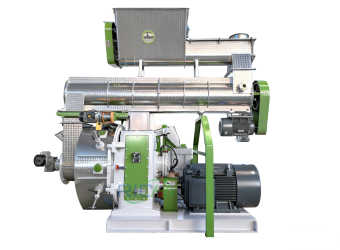
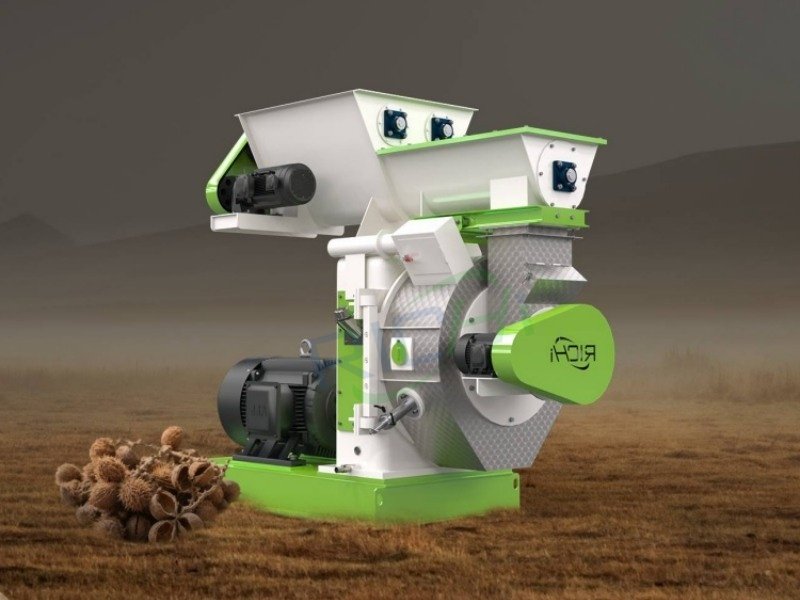
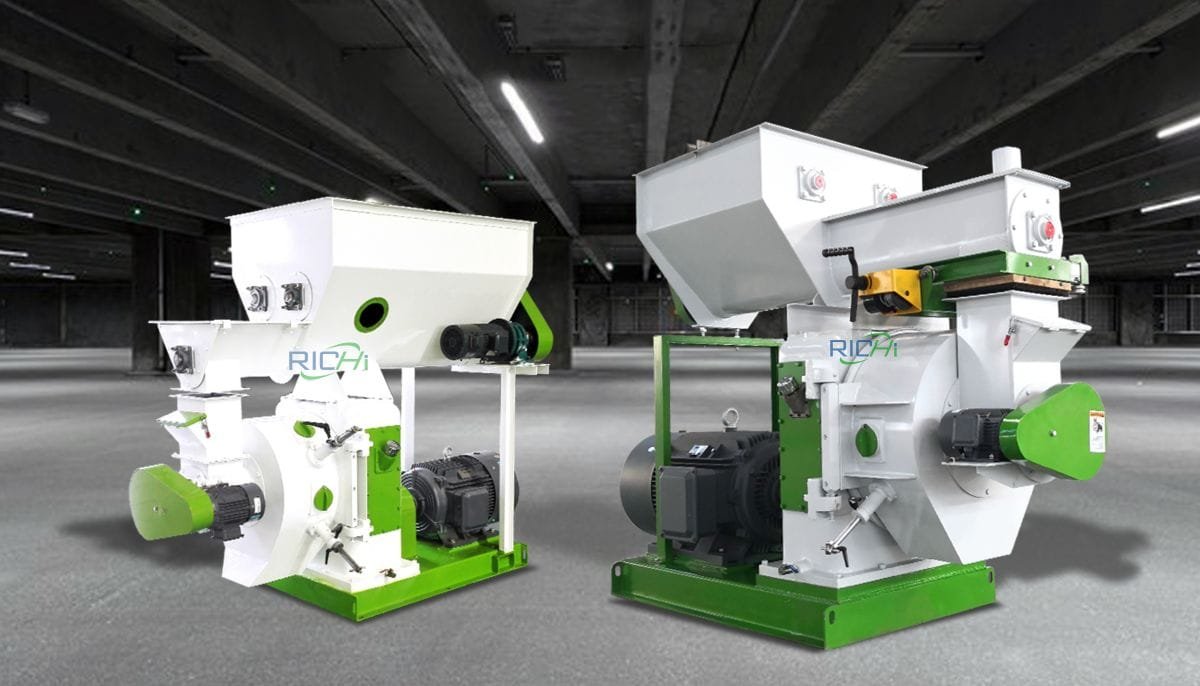
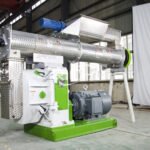
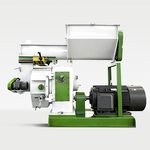
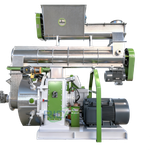
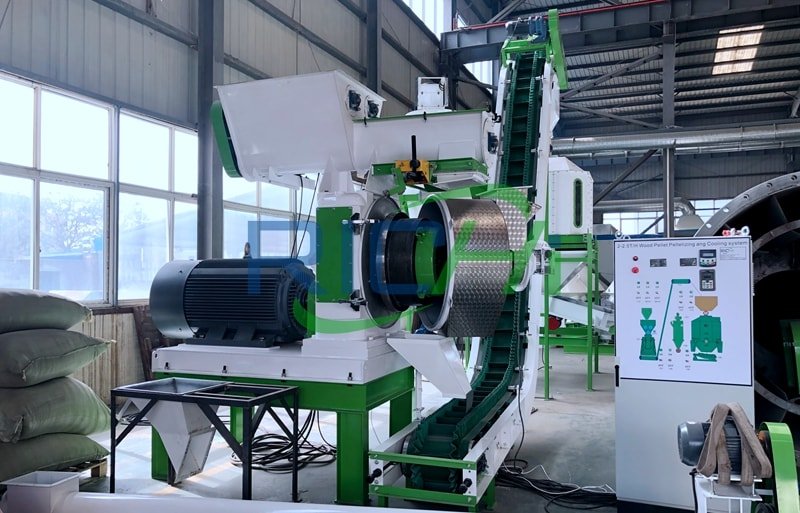
The wood pellet machine price is not a fixed figure—it varies considerably based on machine type, capacity, construction quality, and the manufacturer’s location and reputation. Flat-die pellet machines designed for small farms or research applications may cost just a few thousand dollars, while industrial-grade ring-die systems capable of producing several tons per hour can cost hundreds of thousands. Understanding which factors drive cost helps buyers make informed purchasing decisions and avoid overpaying—or underpaying for insufficient quality.
Biomass and Wood Pellet Power Plants: The Big Picture
For investors considering large-scale applications, a wood pellet power plant represents the apex of the biomass value chain. Such plants, which combust wood pellets to generate electricity or combined heat and power (CHP), require industrial-grade pelleting equipment capable of producing certified, high-density pellets in large volumes. The economic case for power plant-grade pellet production lines is driven by long-term supply contracts with utilities, which provide revenue certainty and justify significant capital expenditure.
Even smaller biomass heat plants—using pellets for district heating—create stable demand that justifies investment in mid-scale pellet production equipment.
Price Tiers and What Each Offers
Entry-level flat-die machines (under $10,000) are suitable for experimental or very small-scale production. Mid-range ring-die mills ($30,000–$150,000) serve small to medium commercial operations. Industrial complete lines ($200,000–$2,000,000+) are designed for continuous, high-volume, high-quality output for commercial or power-plant-grade pellet production. In each tier, engineering quality, die material, motor brand, and control system sophistication differentiate value.
If you are uncertain about which price tier matches your production goals, why not try here by using online pellet plant configuration tools and ROI calculators that help model costs and returns before you engage with any supplier.
Getting the Most Value from Your Pellet Maker Machine
Selecting the best pellet maker machine for your budget requires balancing upfront cost against long-term operating economics. A machine with a higher purchase price but lower energy consumption, longer die life, and better pellet quality may deliver far superior value over a 10-year operational period compared to a cheaper alternative. Always request energy consumption data (kWh per ton), expected die and roller lifespans, and maintenance interval schedules when comparing quotes.
Warranty terms, availability of spare parts, and the proximity of service engineers should also factor into your value assessment. A machine that sits idle waiting for parts erodes profitability quickly.
Conclusion: Price Is Only One Part of the Story
Smart buyers look beyond the sticker price to evaluate the total value proposition: equipment quality, supplier reliability, after-sales support, energy efficiency, and spare-parts economics. Taking a holistic view of the investment—rather than focusing solely on the upfront wood pellet machine price—consistently leads to better long-term outcomes in the biomass pelleting industry.