



Poultry farming has become one of the most important agricultural industries worldwide because of the growing demand for chicken meat and eggs. Modern poultry production requires efficient management systems that can maximize growth performance, reduce production costs, and improve overall farm profitability. Among all the factors that influence poultry farming success, feed production is one of the most critical. Feed accounts for a large percentage of total poultry production expenses, and the quality of feed directly affects bird growth, health, feed conversion ratio, and farm efficiency.
As poultry farming continues to modernize, many farms are moving away from purchasing expensive commercial feed and are instead investing in their own poultry feed manufacturing systems. Advanced equipment such as the chicken feed pellet making machine allows farmers and feed producers to manufacture balanced, high-quality poultry feed efficiently and consistently. Proper feed production not only improves bird performance but also reduces waste, lowers operating costs, and increases long-term profitability.
Poultry feed production improves farm efficiency in many ways. It helps farmers maintain precise nutritional control, improves feed digestibility, reduces feed loss, enhances flock health, and supports large-scale automated farming systems. Modern feed processing technologies also allow poultry farms to produce customized feed formulas for broilers, layers, chicks, and breeding birds according to different nutritional requirements.
One of the primary reasons poultry feed production improves farm efficiency is because it allows better control over feed quality. Commercially purchased feed may vary in nutrient composition, freshness, and ingredient quality. In contrast, farms that produce their own feed can carefully select raw materials and formulate feed according to the specific needs of their poultry operations. Common ingredients used in poultry feed production include corn, soybean meal, wheat bran, fish meal, vitamins, minerals, and amino acids. By balancing these ingredients properly, farmers can optimize bird growth and feed conversion efficiency.
Feed conversion ratio is one of the most important indicators of poultry farm performance. It measures how efficiently birds convert feed into body weight or egg production. High-quality feed produced through modern processing systems improves feed digestibility and nutrient absorption, which helps birds grow faster while consuming less feed. This directly reduces feed costs, which are often the largest expense in poultry farming.
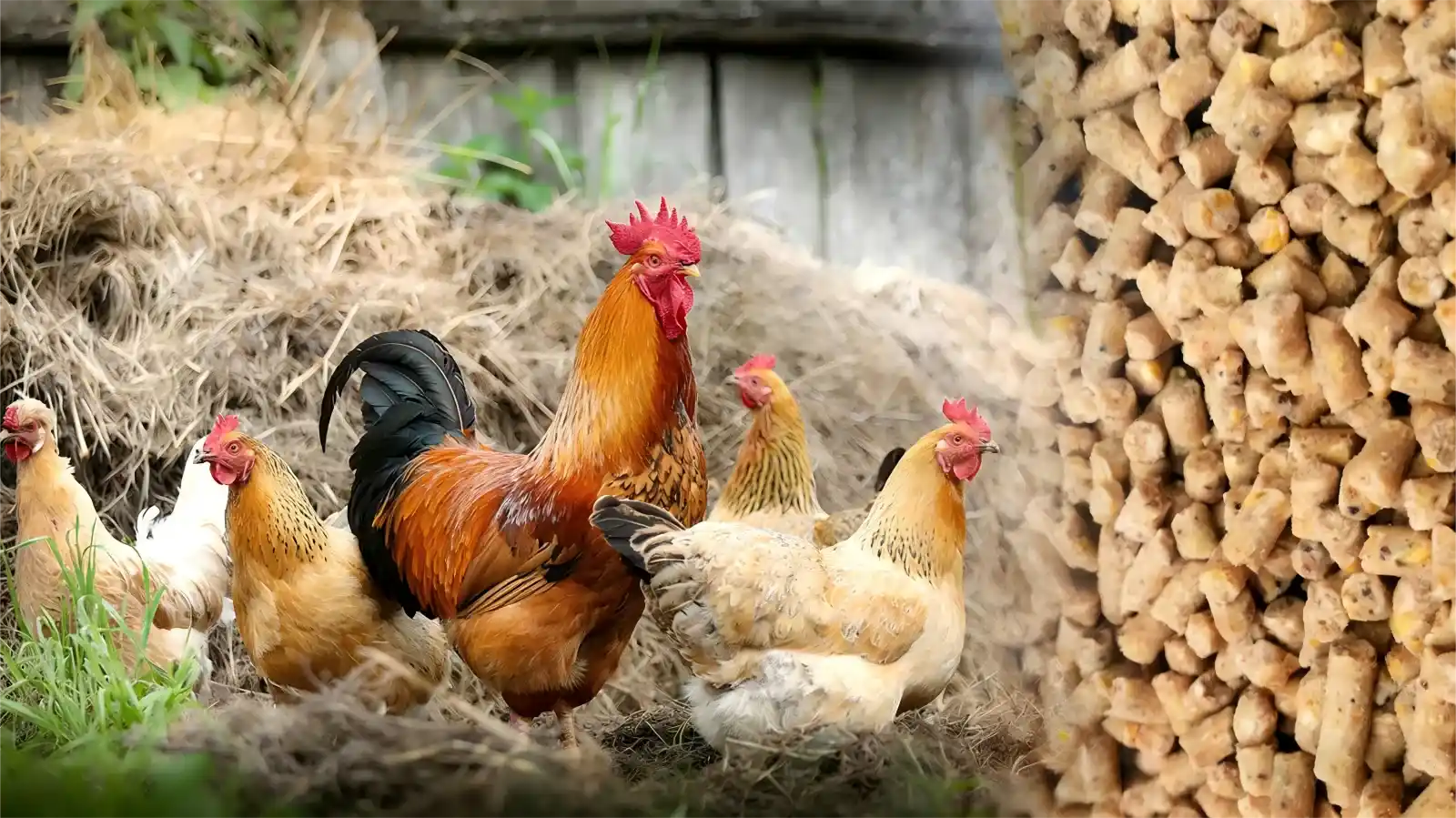
The chicken feed pellet making machine plays a central role in improving feed efficiency. This machine compresses powdered feed ingredients into compact pellets through pressure and mechanical processing. Pelletized feed provides many advantages compared with mash feed. Pellets are easier for poultry to consume, reduce selective feeding, minimize ingredient separation, and improve nutrient intake consistency. Birds spend less energy eating pellets, allowing more energy to be directed toward growth and production.
(Learn more about efficient poultry feed pellet machine price )
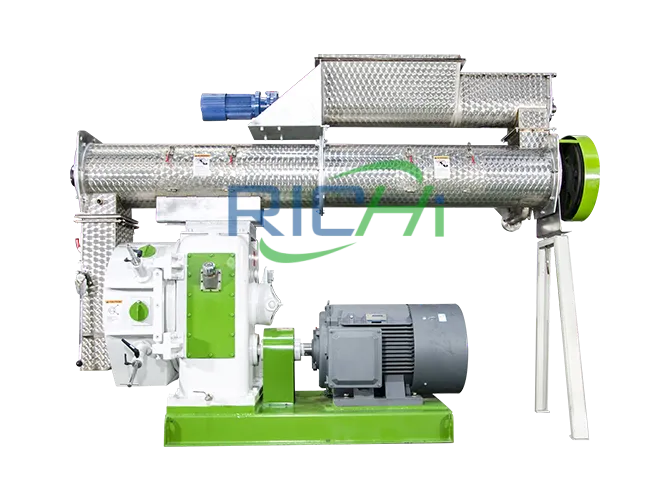
Pelletized feed also significantly reduces feed waste. Powdered feed can easily scatter during feeding, leading to economic losses and contamination. Pellets remain more stable in feeders, reducing waste and improving feed utilization. Even a small reduction in feed loss can create substantial savings for large poultry farms over time. The chicken feed pellet making machine therefore contributes directly to cost reduction and production efficiency.
Another important advantage of poultry feed production is improved feed hygiene and biosecurity. During the pelletizing process, feed ingredients are exposed to heat and pressure, which helps destroy harmful bacteria, pathogens, and parasites. This improves feed safety and reduces the risk of disease outbreaks in poultry farms. Healthier birds require fewer medications and experience lower mortality rates, both of which improve overall farm efficiency and profitability.
Customized feed production also allows poultry farms to adjust feed formulas according to bird age and production stage. Chicks require high-protein starter feed for rapid early development, while broilers need balanced grower and finisher diets to maximize meat production. Laying hens require calcium-rich feed to support egg shell quality and egg production. By producing feed on-site, farmers can optimize nutrition for each stage of poultry growth, leading to better performance and more efficient resource utilization.
Automation in poultry feed production further improves farm efficiency. Modern feed production systems integrate crushing, mixing, pelletizing, cooling, and packaging into one continuous operation. Automated control systems monitor production parameters such as temperature, moisture, and pellet size to maintain consistent feed quality. Automation reduces labor requirements and minimizes human error, making large-scale poultry production more manageable and cost-effective.(blog link)
The chicken feed pellet making machine is particularly valuable for medium and large poultry farms because it supports continuous high-capacity feed production. Modern machines are designed for durability, energy efficiency, and stable operation under heavy workloads. They can process various raw materials quickly while maintaining consistent pellet quality. High-capacity production allows farms to maintain a stable feed supply without depending heavily on external suppliers.
Energy efficiency is another important factor in poultry feed production. Feed manufacturing requires electricity for grinding, mixing, pelletizing, and cooling processes. Efficient machines reduce energy consumption while maintaining high output. Advanced chicken feed pellet making machine models are designed with optimized motors and transmission systems that lower electricity usage and reduce production costs. Efficient energy management is especially important for large farms where feed production operates continuously.
Feed storage and transportation also become more efficient with pelletized feed. Pellets have higher density than mash feed, allowing more feed to be stored in smaller spaces. Pelletized feed is easier to transport and handle, reducing logistics costs and improving inventory management. Better storage stability also reduces spoilage and nutrient loss, ensuring that birds receive consistent nutrition throughout the production cycle.
Poultry feed production improves environmental sustainability as well. Efficient feed utilization reduces the amount of undigested nutrients excreted by poultry, which helps minimize environmental pollution. Better feed conversion also reduces the amount of raw materials required for poultry production, conserving agricultural resources. Farms that produce feed locally can reduce transportation-related carbon emissions associated with commercial feed supply chains.
Another major benefit of on-site feed production is cost stability. Commercial feed prices can fluctuate due to market conditions, transportation costs, and raw material shortages. By manufacturing feed independently, poultry farms gain greater control over production costs and reduce vulnerability to market price volatility. Farms can purchase raw materials during favorable market periods and maintain more predictable operating expenses.
The economic benefits of poultry feed production are particularly significant for commercial poultry operations. Although setting up a feed production system requires investment in equipment and infrastructure, long-term savings are often substantial. Reduced feed costs, lower waste, improved bird growth, and better flock health contribute to higher profitability. The chicken feed pellet making machine becomes a long-term asset that supports sustainable farm expansion and operational efficiency.
Raw material flexibility is another important advantage of poultry feed production systems. Farms can incorporate locally available agricultural products and by-products into feed formulas, reducing dependence on imported ingredients. For example, corn, rice bran, sunflower meal, cassava, and other regional materials can be used effectively when balanced properly with nutritional supplements. This flexibility lowers feed costs and supports local agricultural economies.
Feed consistency is essential for maintaining stable poultry performance. Variations in feed quality can cause uneven growth, poor egg production, and health problems. Automated feed production systems ensure that ingredients are mixed uniformly and processed consistently, producing pellets with stable nutritional value and physical characteristics. Consistent feed quality improves flock uniformity and simplifies farm management.
Modern poultry farming increasingly relies on data-driven management and precision nutrition. Feed production systems can now be integrated with computerized formulation software that calculates nutrient requirements based on bird species, age, growth targets, and production conditions. This allows farms to optimize feed efficiency while reducing unnecessary ingredient costs. The combination of precision formulation and advanced pelletizing technology creates highly efficient poultry production systems.
Maintenance of feed production equipment is also essential for operational efficiency. Machines such as grinders, mixers, and the chicken feed pellet making machine require regular inspection, lubrication, and servicing to maintain stable performance. Well-maintained equipment reduces downtime, improves pellet quality, and extends machine lifespan. Preventive maintenance programs are therefore important components of efficient poultry feed manufacturing operations.
As global demand for poultry products continues to rise, efficient feed production will become even more important. Population growth, urbanization, and increasing protein consumption are driving expansion of the poultry industry worldwide. At the same time, producers face pressure to reduce costs, improve sustainability, and maintain high animal welfare standards. Advanced poultry feed production technologies provide practical solutions to these challenges.
Future developments in poultry feed production are likely to include greater automation, artificial intelligence, and energy-efficient machinery. Smart manufacturing systems may automatically adjust feed formulations based on real-time production data, environmental conditions, and bird performance. Improved pelletizing technologies will likely enhance feed digestibility and reduce energy consumption further. Sustainable feed ingredients such as insect protein, algae, and agricultural by-products may also become more common in poultry diets.
The chicken feed pellet maker machine will continue to play a central role in modern poultry farming because pelletized feed remains one of the most effective ways to improve feed utilization and bird performance. As machine technology advances, production systems will become faster, more reliable, and more economical, allowing poultry farms to operate more efficiently and competitively.
Poultry feed production is far more than a simple manufacturing process. It is a key factor that determines the productivity, profitability, and sustainability of modern poultry farming. By improving feed quality, reducing waste, enhancing bird health, and lowering operating costs, efficient feed production systems contribute directly to better farm performance.
The integration of advanced equipment such as the chicken feed pellet making machine allows poultry farms to achieve consistent feed quality, efficient resource utilization, and scalable production capacity. As the poultry industry continues evolving toward greater efficiency and sustainability, modern feed production technology will remain one of the most important tools for improving overall farm success and meeting the growing global demand for poultry products.